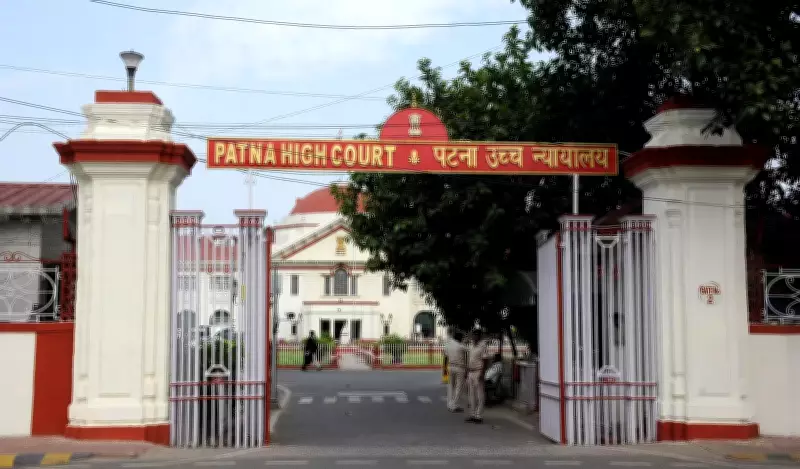
Patna High Court Directs State Government to File Reply on Private Hostel Regulation PIL
The Patna High Court has taken judicial notice of a public interest litigation (PIL) that seeks the establishment of a regulatory mechanism for private hostels across Bihar. In a significant development, the court has directed the state government to submit its response through a responsible officer. This order was issued by a division bench comprising Chief Justice Sangam Kumar Sahoo and Justice Bibek Chaudhuri during a hearing on Saturday.
Petitioner Highlights Safety and Hygiene Concerns in Private Hostels
The PIL, filed by advocate Madhav Raj, brings to light critical issues regarding the operation of private hostels in Bihar. The petitioner referenced a decade-old report published in The Times of India on May 16, 2015, which emphasized the urgent need for a regulatory body to oversee hostels in Patna. According to the petitioner, nearly all private hostels in the state capital and other cities of Bihar are functioning without adhering to the safety standards mandated by various government departments.
Health hygiene parameters outlined by municipal laws, building safety norms from the firefighting and electricity departments, and food quality standards are reportedly being ignored by hostel owners in Patna. This negligence, the petitioner argued, compromises the safety and security of the inmates residing in these facilities.

Incidents of Unnatural Deaths and Lack of Grievance Redressal Forum
Further strengthening the case, the petitioner cited TOI reports from August 27 and November 12 of last year, which detailed incidents of unnatural or suspicious deaths of hostel inmates in Patna. Additionally, a recent report on the unnatural death of a medical aspirant in the state capital on January 6 this year was brought to the court's attention. The petitioner submitted that Bihar currently lacks a dedicated forum to address the grievances of hostel inmates, a provision that already exists in states like Tamil Nadu, where regulations for private hostels were framed as early as 2014.
Allegations of Illegal Operation Under The Sarais Act, 1867
The petitioner further alleged that private hostels in Patna are operating illegally, as they are not registered under the provisions of The Sarais Act, 1867. In response to this claim, the bench has asked the state counsel to examine the scope and applicability of the Sarais Act in relation to the operation of private hostels in Bihar. This examination is expected to shed light on the legal framework governing such establishments.
Next Hearing Scheduled for February 20
The matter has been adjourned, with the next hearing scheduled for February 20. The court's directive for a detailed reply from the state government underscores the urgency of addressing the regulatory gaps in the private hostel sector. This case highlights the broader issues of student safety and accommodation standards in Bihar, prompting a closer look at existing laws and the need for comprehensive regulations.