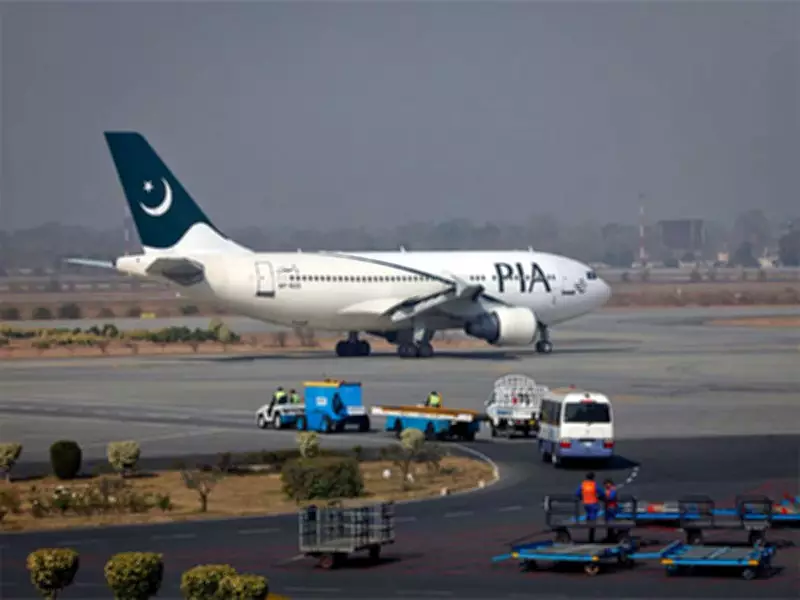
PIA Flight Diverts to Karachi Over Technical Snag, to Resume Journey Soon
In a recent aviation incident, a Pakistan International Airlines (PIA) flight traveling from Fujerah in the United Arab Emirates to Lahore was diverted to Karachi due to a technical snag. The airline confirmed that flight PK178 landed safely at Karachi airport after encountering a cabin pressure-related issue mid-flight.
Safety Protocols Activated During Mid-Flight Emergency
According to reports, the aircraft developed the snag while en route, prompting the crew to initiate standard safety protocols. The plane descended to an altitude of 10,000 feet as a precautionary measure to ensure passenger and crew safety. PIA officials stated that their engineering team is currently working to resolve the issue, with expectations that the flight will resume its journey to Lahore shortly.
Global Aviation Operations Severely Disrupted by Middle East Conflict
This incident occurs against the backdrop of a broader crisis in global aviation, triggered by escalating tensions in the Middle East. Following attacks by the United States and Israel on Iran on February 28, 2026, key aviation hubs such as Dubai, Doha, and Abu Dhabi have been forced to shut down operations. This has led to widespread flight cancellations, leaving tens of thousands of passengers stranded across the region.

Sharp Surge in Jet Fuel Prices Impacts Airline Finances
Compounding the operational challenges, jet fuel prices have surged dramatically, reaching between $150 and $200 per barrel. This sharp increase is significantly impacting airline operations and financial stability worldwide. In response to the escalating crisis, several international carriers have either suspended flights or scaled down their operations to mitigate risks and manage costs.
Ongoing Efforts to Restore Normalcy in Aviation Sector
As PIA works to fix the technical issue on flight PK178, the broader aviation industry continues to grapple with the fallout from the Middle East conflict. Airlines are implementing contingency plans to address the disruptions, while authorities monitor the situation closely. The safety of passengers remains a top priority, with protocols in place to handle such emergencies effectively.