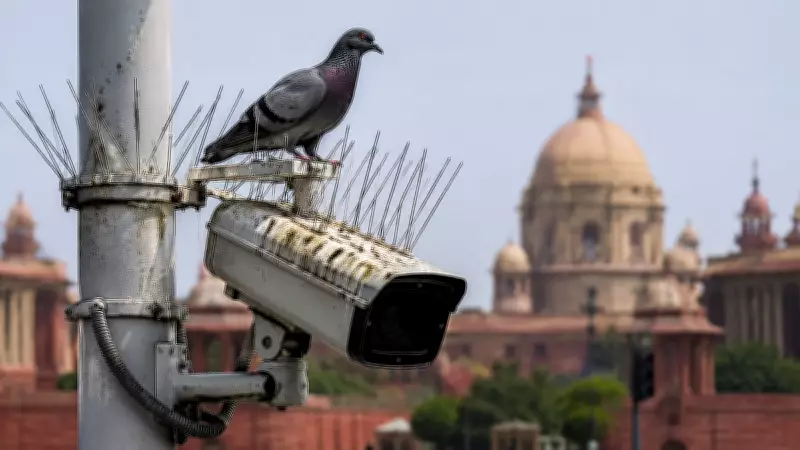
Delhi police are battling an unusual adversary: pigeon droppings that are obscuring CCTV cameras across the capital, compromising the clarity of footage critical for investigations. The droppings have been building up on camera lenses, particularly in areas with high pigeon populations, leading to blurred or completely blocked views.
Facial recognition system affected
The cameras are integrated with Delhi police's facial recognition system, making clear video quality essential for identifying suspects. According to a police official, the droppings have reduced the effectiveness of the system, forcing officers to rely on alternative surveillance methods. The problem has been escalating in recent months, with pigeon numbers increasing due to unregulated feeding in public spaces.
To counter the issue, police have begun installing bird spikes on camera housings and nearby ledges. The spikes are designed to prevent pigeons from perching and nesting near the equipment. A senior officer stated, "We have deployed spikes at several hotspots, and initial results are promising." However, covering all vulnerable cameras remains a logistical challenge.

Scale of the problem
Delhi has over 5,000 CCTV cameras under police control, many in high-density bird areas like Connaught Place, Chandni Chowk, and near religious sites where feeding is common. A survey by the police found that nearly 15% of cameras required weekly cleaning due to droppings, up from 5% last year. This has strained maintenance resources.
Residents have also complained about the aesthetic and hygiene issues caused by pigeon droppings on streets and buildings. Municipal authorities have been asked to coordinate with police to regulate feeding and reduce pigeon populations humanely.
Long-term solutions under consideration
Police are exploring additional measures, including ultrasonic repellents and anti-perching gels, but spikes remain the most cost-effective solution. The deployment is part of a broader effort to maintain surveillance integrity in the face of urban wildlife challenges. An officer noted, "We need to balance bird welfare with security needs." The initiative is expected to expand to all affected cameras by the end of the year.