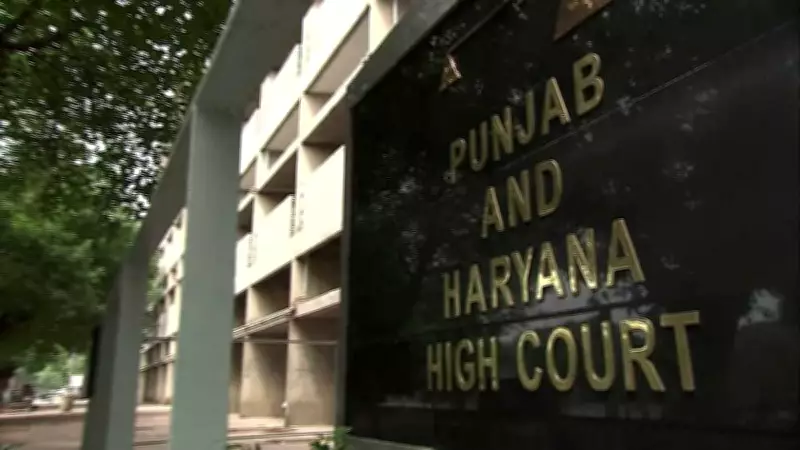
Punjab and Haryana High Court Acquits AAP MLA and Seven Others in 2013 Molestation Case
In a significant legal development, the Punjab and Haryana High Court has delivered a verdict acquitting a Punjab Aam Aadmi Party (AAP) Member of the Legislative Assembly (MLA) and seven other individuals in a molestation case dating back to 2013. The court's decision marks a pivotal moment in this long-standing legal battle, bringing closure to a case that has been under judicial scrutiny for over a decade.
Court Quashes FIR and Charges Under IPC and SC/ST Act
The bench presiding over the case took a decisive step by quashing the First Information Report (FIR) that was originally registered in March 2013 at the Tarn Taran police station. This FIR had been filed under various sections of the Indian Penal Code (IPC), which pertain to offenses such as molestation and related criminal acts. Additionally, the provisions of the Scheduled Castes and Scheduled Tribes (Prevention of Atrocities) Act, commonly known as the SC/ST Act, were also invoked in the initial charges.
By quashing the FIR, the High Court has effectively nullified all legal proceedings and charges against the AAP MLA and the other seven accused. This action underscores the court's assessment that the evidence and circumstances did not warrant prosecution under the cited laws. The ruling highlights the judiciary's role in ensuring that legal processes are fair and based on substantiated facts, preventing misuse of statutes like the SC/ST Act.

Background and Implications of the Case
The case originated in 2013 when allegations of molestation were brought against the AAP MLA and the other individuals. Over the years, it has drawn considerable attention due to the political stature of the accused and the sensitive nature of the charges involving caste-based laws. The acquittal now clears the names of all parties involved, potentially impacting their personal and professional lives, as well as the political landscape in Punjab.
This verdict may also spark discussions on the application and interpretation of laws such as the IPC and SC/ST Act in similar cases. Legal experts suggest that it could set a precedent for how courts handle allegations where multiple statutes are involved, emphasizing the need for thorough investigation and judicial oversight to uphold justice.
As the news breaks, reactions from various quarters, including political parties, legal circles, and social activists, are anticipated. The acquittal serves as a reminder of the complexities in criminal justice systems and the importance of due process in safeguarding individual rights against unfounded accusations.