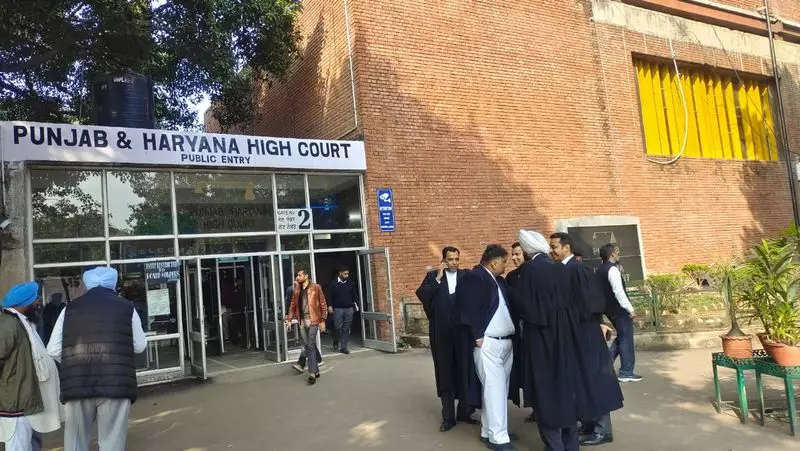
Punjab High Court Directs State to Fill Women-Reserved Firefighter Posts with Male Candidates
The Punjab and Haryana High Court has issued a significant order. It directs the Punjab government to fill firefighter posts reserved for women with male candidates. This decision comes after the state reported a lack of female applicants for these positions.
Background of the Case
The case originated from a petition filed by male candidates. They argued that women-reserved posts in the fire department remained vacant for years. The petitioners claimed this violated their right to employment. The court examined the recruitment process and the state's efforts to attract female applicants.
Punjab officials stated they conducted multiple recruitment drives. Despite these efforts, very few women applied for the firefighter roles. The court noted the persistent vacancies and the urgent need to staff the fire department. Public safety concerns influenced the ruling.

Court's Rationale and Order
In its order, the High Court emphasized practical considerations. It acknowledged the importance of gender reservation in promoting women's participation. However, the court found that the vacancies posed a risk to firefighting services. The bench directed the state to proceed with hiring male candidates for these posts.
The order specifies that this is a temporary measure. It applies only to the current recruitment cycle. The court instructed Punjab to continue efforts to encourage women to join the fire department. Future recruitment must adhere to reservation policies unless similar shortages occur.
Implications and Reactions
This ruling has sparked mixed reactions across Punjab. Supporters argue it addresses critical staffing gaps in emergency services. They highlight the need for fully operational fire departments to protect public safety. Critics, however, express concern over the potential setback for gender equality.
Women's rights groups have voiced disappointment. They urge the state to enhance outreach and training programs for female candidates. The government has assured compliance with the court order. Officials plan to review recruitment strategies to boost female applications in the future.
The case underscores ongoing challenges in implementing reservation policies. It balances legal mandates with practical realities in public service recruitment. The High Court's decision may influence similar cases in other states facing analogous issues.