Delhi High Court Reviews Rajpal Yadav's Bail Plea in High-Profile Rs 9.35 Crore Cheque Bounce Case
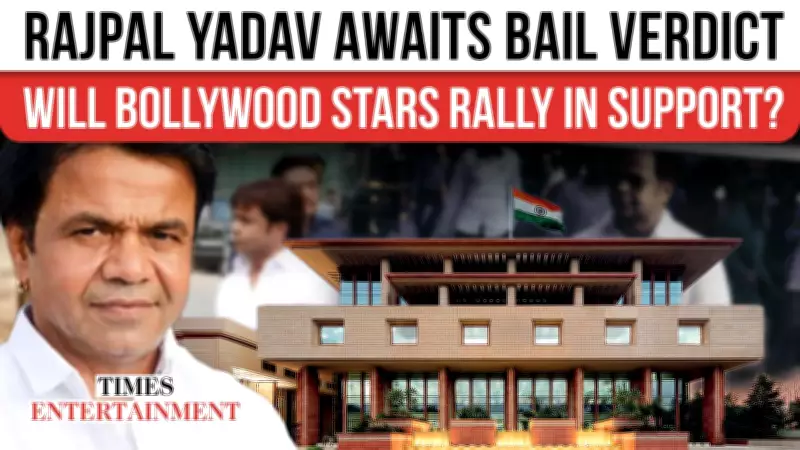
The Delhi High Court has commenced a pivotal hearing on the bail plea of actor Rajpal Yadav, who is currently incarcerated in Tihar Jail in connection with a significant cheque bounce case valued at Rs 9.35 crore. This legal proceeding represents a crucial juncture in the actor's ongoing financial and legal challenges, with the court meticulously examining whether sufficient financial arrangements and settlement efforts have been undertaken to warrant his release on bail.
Critical Examination of Financial Settlements and Industry Support
During the hearing, the court is focusing intensely on the adequacy of the financial measures proposed by Rajpal Yadav to address the cheque bounce allegations. Key aspects under scrutiny include:
- Verification of Financial Arrangements: The court is assessing whether Yadav has provided concrete evidence of funds or payment plans to cover the disputed amount.
- Evaluation of Settlement Steps: Legal experts are reviewing any out-of-court negotiations or agreements made with the complainant to resolve the matter amicably.
- Impact of Industry Backing: Reports indicate that several prominent figures from the entertainment industry have expressed support for Yadav, which could influence the court's consideration of his bail application.
This hearing marks a turning point, as the outcome could significantly affect Yadav's ability to manage his legal battles while potentially avoiding further imprisonment.

Background and Implications of the Case
The case stems from allegations that Rajpal Yadav issued a cheque that was dishonored, leading to legal action and his subsequent detention in Tihar Jail. The financial dispute has garnered widespread attention due to Yadav's public profile and the substantial sum involved. As the hearing progresses, legal analysts highlight that the court's decision will hinge on:
- Proof of Financial Stability: Demonstrating Yadav's capacity to fulfill any financial obligations if bail is granted.
- Legal Precedents: Considering similar cases where bail was granted based on settlement efforts and community support.
- Public Interest: Balancing the need for justice with the actor's rights and contributions to the film industry.
Observers note that a favorable ruling could pave the way for Yadav to address his legal issues more effectively outside of custody, while a denial might prolong his incarceration and complicate his financial recovery.
As the Delhi High Court continues its deliberations, the entertainment community and legal experts await the verdict, which is expected to set a precedent for handling high-value cheque bounce cases involving public figures. The hearing underscores the intersection of financial accountability and legal recourse in India's judicial system.