

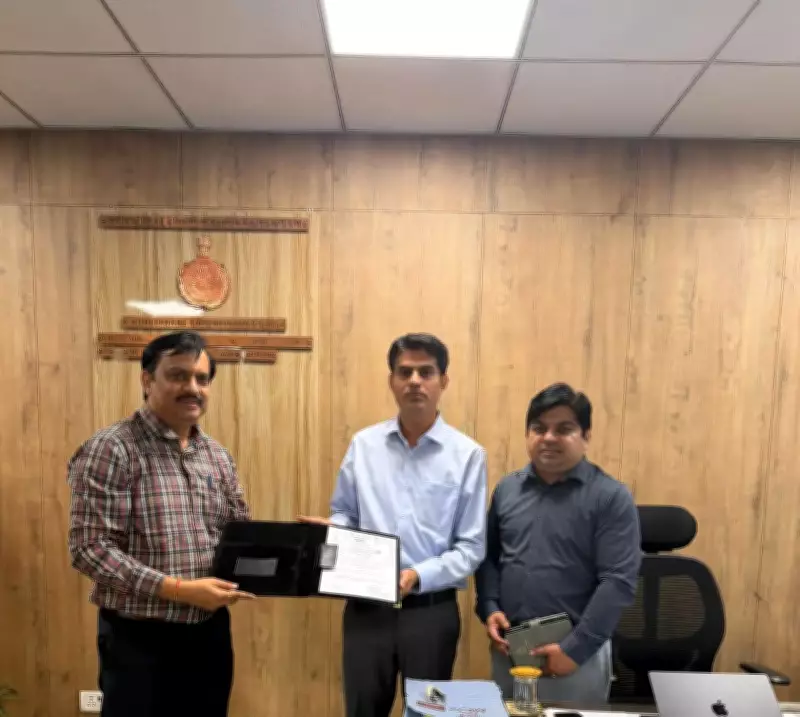
Gurgaon MCG Inks MoU for 25 Battery-Swapping Stations to Drive EV Adoption
In a significant step toward enhancing clean mobility and addressing air quality concerns, the Municipal Corporation of Gurgaon (MCG) has formalized a Memorandum of Understanding (MoU) with a private agency. This partnership is set to develop 25 battery-swapping infrastructure sites throughout the city, marking a pivotal move in supporting electric vehicles (EVs) such as two-wheelers, auto-rickshaws, cars, and heavy vehicles.
Strategic Agreement and Implementation Framework
The MoU was signed in the presence of Additional Commissioner Ravinder Yadav, outlining a comprehensive plan for the establishment of battery swapping stations. Under this agreement, the private agency will be responsible for the installation, testing, operation, and maintenance of these stations. In return, MCG will provide the necessary land and grant all required permissions, ensuring a streamlined setup process.
A revenue-sharing model will be implemented, aligning with the central government's guidelines to foster sustainable development. This model aims to incentivize both parties while promoting the widespread use of EVs in urban areas.

Key Locations and Project Scope
The battery-swapping stations will be strategically located across various sectors and prominent areas in Gurgaon. Specific sites include:
- Sectors 21, 22, 23, 31, 32, 39, 40, 45, and 46
- Several markets and community centers
- Subhash Chandra Bose Park, Nehru Park, and Vatika Chowk
These locations have been selected to maximize accessibility and convenience for EV users, supporting the city's transition to greener transportation options.
Official Statements and Long-Term Vision
MCG Commissioner Pradeep Dahiya emphasized the initiative's dual benefits, stating, "This initiative will promote the use of electric vehicles in the city, which will lead to a reduction in air pollution. At the same time, this project will play an important role in taking the city forward in the direction of green and sustainable development."
The agreement is set to remain effective for a period of 10 years, with provisions for amendments or new agreements based on future requirements. Officials clarified that this is a nonbinding MoU, serving as a foundation for detailed contracts to be prepared subsequently.
Broader Air Pollution Mitigation Efforts
In alignment with Gurgaon's air pollution action plan for 2026-27, MCG has proposed additional measures to combat vehicular emissions. These include:
- Developing 20 new EV charging points for government buses by the end of 2026, with 10 each targeted for Q3 (July to September) and Q4 (October to December).
- Proposing 10 battery-swapping stations, with five aimed for completion by October-December 2026.
- Augmenting city bus services to reduce traffic congestion and pollution.
- Procuring additional sprinkling machines and large mechanical road-sweeping machines.
- Planting native Indian shrubs on unpaved surfaces to improve air quality.
These initiatives collectively underscore MCG's commitment to fostering a cleaner, more sustainable urban environment through innovative mobility solutions and comprehensive pollution control strategies.






