

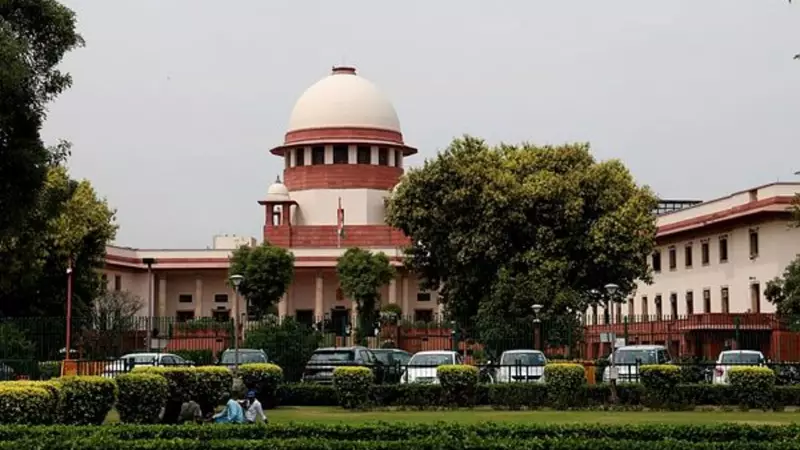
Sambhal Judge Transfer Highlights Growing Threat to Judicial Independence
The recent transfer of the Sambhal Chief Judicial Magistrate, who had ordered the filing of an FIR against police officials during the 2024 Sambhal violence, has sparked widespread concern about the erosion of judicial independence in India. This development, coupled with spontaneous protests by the local bar association, signals a dangerous trend where courageous judges face repercussions for upholding constitutional values.
Historical Context of Judicial Independence
The tradition of executive deference to judicial matters dates back to India's early years as an independent nation. When Prime Minister Jawaharlal Nehru hesitated to appoint Justice Meher Chand Mahajan as Chief Justice due to past disagreements, the Supreme Court judges collectively threatened resignation unless seniority was respected. This established a crucial precedent that subsequent governments largely honored until the 1970s.
The first significant blow to judicial independence came during Indira Gandhi's tenure when three Supreme Court justices were superseded for their role in the landmark Keshavananda Bharati case that limited parliamentary power to amend the Constitution. This marked the beginning of political interference in judicial matters that has evolved over decades.

The Collegium System and Its Erosion
The Supreme Court's "Judges Cases" established the collegium system, where senior judges would primarily determine judicial appointments to insulate the judiciary from political influence. This system created a mechanism where the executive could return recommendations for reconsideration but had to accept reiterated names.
However, over the past decade, this system has been systematically undermined. The government now frequently delays appointments, raises objections on questionable grounds, and sometimes ignores reiterated recommendations entirely. The case of Saurabh Kripal's delayed appointment to the Delhi High Court exemplifies this troubling pattern of executive overreach into judicial appointments.
Pattern of Punishing Courageous Judges
The Sambhal case is not an isolated incident but part of a disturbing pattern where judges who demonstrate courage in difficult situations face professional consequences. Justice S. Muralidhar, who conducted midnight hearings during the Delhi riots and ordered investigations into hate speeches by ruling party politicians, was transferred from Delhi and subsequently missed Supreme Court elevation.
Similarly, Justice Atul Sreedharan of the Madhya Pradesh High Court faced multiple transfers after directing criminal action against a minister for offensive remarks against an army officer. These transfers effectively limited his career progression and influence within the judicial system.
Broader Implications for Democracy
When the judiciary fails to protect its most courageous members from executive pressure, it compromises the very independence that forms the bedrock of Indian democracy. The spontaneous protest by Sambhal's legal community reflects growing concern among those closest to the judicial system about these developments.
The unresolved Memorandum of Procedure for judicial appointments, left pending after the Supreme Court struck down the National Judicial Appointments Commission, represents a critical gap in the system. This ambiguity allows continued friction between judicial independence and executive influence.
Urgent Need for Judicial Solidarity
The current situation demands that the judiciary demonstrate stronger solidarity with its members who uphold constitutional principles under pressure. When judges face transfers or career limitations for performing their duties courageously, it sends a chilling message throughout the judicial system.
Protecting judicial independence requires more than institutional mechanisms; it demands a culture where judicial courage is recognized and protected rather than punished. The Sambhal case serves as a crucial reminder that judicial independence cannot be taken for granted and requires constant vigilance from both within the judiciary and civil society.

As India's democracy matures, maintaining an independent judiciary remains essential for protecting citizens' rights and upholding constitutional values. The treatment of judges like the Sambhal CJM will significantly influence whether future judges feel empowered to make difficult decisions without fear of professional consequences.





