Supreme Court's Landmark 9-Judge Bench to Address Women's Religious Discrimination Cases
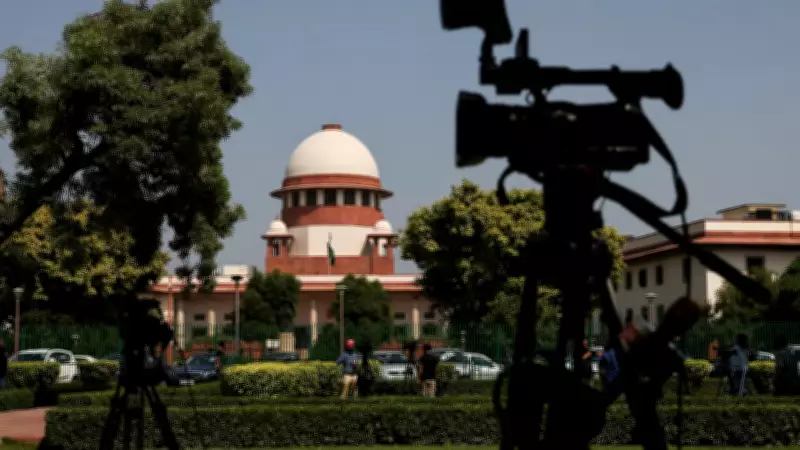
The Supreme Court of India has taken a monumental step by scheduling a 9-judge bench to hear pivotal petitions concerning discrimination against women at various religious places across the country. This significant judicial proceeding is set to commence on April 7, 2026, with the hearing proposed to conclude by April 22, 2026. The bench's composition will be formally notified by the Chief Justice of India through a separate administrative order, ensuring a structured and authoritative approach to these complex issues.
Detailed Hearing Schedule and Bench Orders
On Monday, a bench comprising Chief Justice Surya Kant, Justice Joymalya Bagchi, and Justice Vipul M Pancholi passed the orders for listing the reference before the 9-judge bench. The court has outlined a meticulous timeline for the hearings:
- April 7-9, 2026: Review petitioners or parties supporting them will present their arguments.
- April 14-16, 2026: Original writ petitioners opposing the review petitioners will be heard.
- April 21, 2026: Rejoinder submissions, if any, will take place.
- April 22, 2026: Final and concluding submissions by the learned amicus are expected to wrap up the proceedings.
The Supreme Court emphasized that parties must adhere strictly to this schedule. Additionally, nodal counsels, in consultation with arguing counsel, are tasked with preparing internal arrangements to ensure oral submissions from both sides are heard within the stipulated timeline, promoting efficiency and fairness in the judicial process.
Broad Scope of Petitions Beyond Sabarimala
While the Sabarimala Temple in Kerala is a focal point, the 9-judge bench will also address a range of other critical petitions. These include:
- Issues related to Muslim women's entry into Dargahs and mosques.
- The entry of Parsi women into Fire Temples if they have married a non-Parsi.
- The validity of practices such as excommunication and Female Genital Mutilation (FGM) within the Dawoodi Bohra community.
This broad scope underscores the bench's mandate to examine the interplay between essential religious practices, equality, and constitutional morality across diverse faiths in India.
Historical Context and Ongoing Legal Battles
The current hearings trace back to a landmark 2018 decision by a Constitution Bench of the Supreme Court, which permitted the entry of women of all ages into the Sabarimala Sree Dharma Sastha Temple dedicated to Lord Ayyappa. This ruling struck down a centuries-old practice that barred women between the ages of 10 and 50, marking a significant victory for gender equality.
Subsequently, on February 10, 2020, a nine-judge Constitution Bench upheld the decision of the Sabarimala Review Bench to refer broader questions to a larger bench. This move highlighted the need for a comprehensive examination of religious discrimination issues beyond a single case.
In the ongoing legal proceedings, the Centre, along with other parties, is supporting the review petitions, effectively challenging the 2018 ruling that allowed women of all ages into the Sabarimala temple. Conversely, the original writ petitioners, now respondents in the review proceedings, are opposing these review pleas and seeking to uphold the 2018 judgment, setting the stage for a contentious and historic legal showdown.
This 9-judge bench hearing represents a critical juncture in India's judicial history, as it aims to balance religious traditions with constitutional rights, potentially reshaping the landscape of gender equality in religious spaces for years to come.