Supreme Court Authorizes Additional Judicial Deployment for West Bengal Electoral Roll Revision
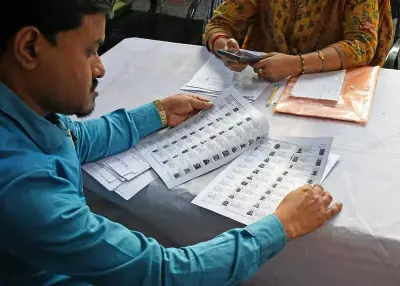
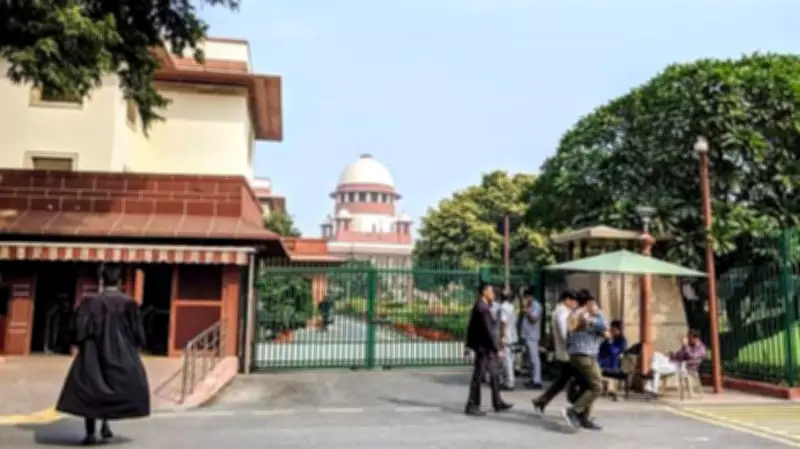
The Supreme Court of India has issued a significant order permitting the Calcutta High Court to deploy additional judicial officers to expedite the Special Intensive Revision (SIR) process of electoral rolls in the state of West Bengal. This directive aims to enhance the efficiency and accuracy of the voter list preparation ahead of upcoming elections.
Details of the Supreme Court Order
In a move to streamline the electoral roll revision, the Supreme Court has specifically authorized the deployment of civil judges who possess a minimum of three years of judicial experience. This requirement ensures that the officers involved have sufficient expertise to handle the complexities of the SIR exercise, which involves verifying and updating voter details across the state.
The order underscores the judiciary's commitment to supporting democratic processes by facilitating timely and thorough electoral preparations. By allowing more judicial personnel to participate, the Supreme Court aims to address potential delays and ensure that the revision is completed within the stipulated timeframe.

Impact on West Bengal's Electoral Process
The deployment of additional judicial officers is expected to significantly accelerate the SIR process in West Bengal. This revision is crucial for maintaining the integrity of the electoral system, as it involves cross-checking voter information, removing duplicate entries, and adding eligible voters who may have been omitted.
With the Supreme Court's intervention, the Calcutta High Court can now mobilize a larger team of qualified judges to oversee and execute the revision tasks. This is particularly important in a populous state like West Bengal, where the electoral roll management requires meticulous attention to detail and robust oversight.
Background and Context
The Special Intensive Revision of electoral rolls is a periodic exercise conducted by the Election Commission of India to ensure that voter lists are up-to-date and free from errors. In West Bengal, this process has gained heightened importance due to the state's dynamic political landscape and frequent electoral activities.
The Supreme Court's order comes in response to requests for judicial support to manage the SIR efficiently. By empowering the Calcutta High Court to deploy experienced civil judges, the court has provided a practical solution to potential logistical challenges, thereby reinforcing the rule of law and electoral transparency.
Future Implications
This decision sets a precedent for other states facing similar challenges in electoral roll management. It highlights the judiciary's proactive role in safeguarding democratic institutions and ensuring that electoral processes are conducted smoothly and fairly.
As West Bengal prepares for future elections, the enhanced judicial oversight is likely to contribute to a more credible and reliable voter database, fostering greater public trust in the electoral system.