

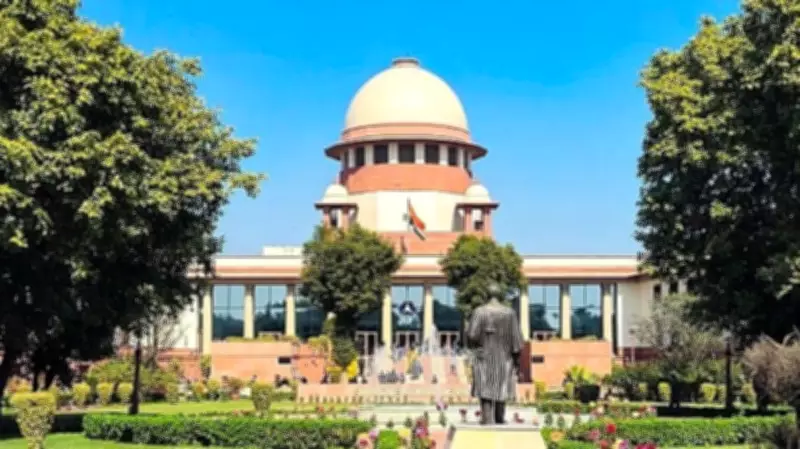
Supreme Court Upholds Right to Die with Dignity in Landmark Ruling
In a significant judgment that underscores the ethical and legal dimensions of end-of-life care, the Supreme Court of India has permitted passive euthanasia for a 32-year-old man who has been in a persistent vegetative state for nearly 13 years. This decision, delivered on March 11, 2026, marks a pivotal moment in Indian jurisprudence, balancing medical realities with the fundamental right to dignity.
Case Details and Judicial Proceedings
The case centers on Harish Rana, a man whose family filed a plea seeking to withdraw life-support systems after he remained unresponsive for over a decade. On January 15, 2026, the court reserved its judgment following extensive hearings that examined the complexities of passive euthanasia, where life-sustaining treatment is withheld or withdrawn, as opposed to active measures that directly cause death.
The Supreme Court's ruling emphasizes that individuals have a constitutional right to die with dignity, particularly in cases of irreversible medical conditions. This aligns with previous legal precedents in India that have gradually recognized euthanasia under strict safeguards, aiming to prevent misuse while respecting personal autonomy.

Implications for Healthcare and Law
This judgment is expected to have far-reaching consequences:
- It sets a benchmark for handling similar cases involving patients in permanent vegetative states.
- Healthcare providers may need to revise protocols for end-of-life decisions, ensuring they comply with legal standards.
- Families and caregivers gain clearer guidance on navigating the emotional and ethical challenges of such situations.
By allowing passive euthanasia in this instance, the court has reinforced the principle that prolonging life artificially without hope of recovery can infringe upon human dignity. The decision also highlights the need for robust regulatory frameworks to oversee euthanasia requests, preventing potential abuses.
Broader Context and Public Response
Euthanasia remains a contentious issue globally, with debates often revolving around moral, religious, and legal perspectives. In India, this ruling adds to the evolving discourse on patient rights and medical ethics. It follows earlier Supreme Court judgments that cautiously endorsed passive euthanasia, such as the 2018 ruling that established guidelines for living wills and advance directives.
Public and expert reactions are mixed, with some applauding the move as progressive and compassionate, while others express concerns about slippery slopes in medical practice. Nonetheless, the case of Harish Rana serves as a poignant reminder of the delicate balance between preserving life and honoring individual choice in the face of irreversible suffering.
As India continues to grapple with these complex issues, this judgment is likely to influence future legislation and healthcare policies, ensuring that the right to die with dignity is protected within a framework of accountability and compassion.






