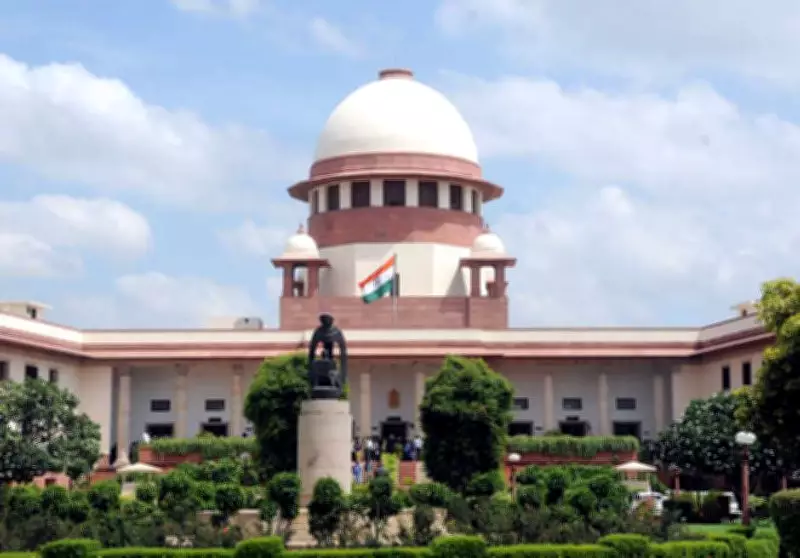
The Supreme Court of India has granted permission to the Special Investigation Team (SIT) to file the chargesheet in a local court in Gurugram concerning the alleged rape of a minor girl. This decision came as the Court dismissed a plea seeking the transfer of the case to another state, citing the need for a fair trial.
Background of the Case
The case pertains to the alleged rape of a 16-year-old girl in Gurugram, Haryana. The victim's family had raised concerns about the local police's handling of the investigation, leading to the formation of an SIT by the Supreme Court earlier. The SIT was tasked with conducting a thorough and impartial investigation into the matter.
Supreme Court's Observation
During the hearing, the Supreme Court bench, comprising Justice A.M. Khanwilkar and Justice B.R. Gavai, observed that the investigation should proceed without any hindrance. The Court emphasized that the SIT must file the chargesheet in the local court within the stipulated time frame. The bench also directed the trial court to ensure a speedy trial and protect the identity of the victim.

Rejection of Transfer Plea
The plea for transferring the case to a different state was rejected by the Supreme Court. The petitioners had argued that the local environment in Gurugram could prejudice the proceedings. However, the Court opined that the SIT's presence and the monitoring by the higher judiciary would ensure a fair investigation and trial in the local court itself.
Next Steps in the Investigation
With the Supreme Court's order, the SIT is now expected to file the chargesheet in the designated court in Gurugram. The chargesheet will detail the evidence collected against the accused. The Court also directed that the trial be conducted on a day-to-day basis to expedite the process. Additionally, the victim and her family have been assured of adequate security measures.
The Supreme Court's intervention in this case underscores the importance of timely justice in cases of sexual offenses against minors. The Court has consistently emphasized the need for swift legal action to ensure that victims receive justice without unnecessary delays.