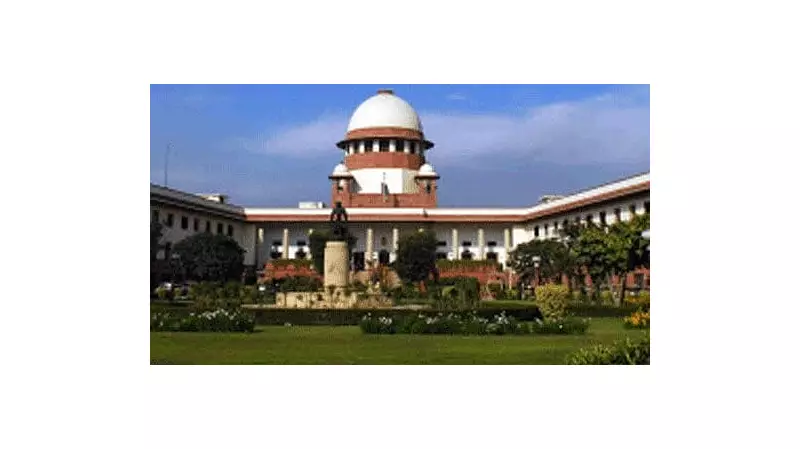
Supreme Court Appoints Former Judge as Mediator in Century-Old Temple Ritual Dispute
The Supreme Court of India has taken a significant step toward resolving a long-standing religious controversy by appointing former judge SK Kaul as a mediator in a 120-year-old temple ritual dispute in Tamil Nadu. This decision comes as the apex court seeks to find an amicable solution to a deeply entrenched conflict that has spanned generations.
Background of the Temple Dispute
The dispute centers around the Vadakalai sect's petition seeking permission to recite prayers inside the sanctum sanctorum of a temple in Tamil Nadu. The case has a complex history, with roots tracing back over a century, reflecting the intricate interplay of religious traditions and legal interpretations in India.
Supreme Court Hearing and Appeal
A bench comprising Chief Justice Surya Kant and Justice Joymalya Bagchi was hearing an appeal filed by S Narayanan. This appeal challenged a Madras High Court verdict that had dismissed the petition from the Vadakalai sect. The High Court's decision had previously denied the sect's request for prayer recitation rights within the temple's inner sanctum, leading to the current Supreme Court intervention.
Role of Mediator SK Kaul
The appointment of former judge SK Kaul as mediator is seen as a strategic move to facilitate dialogue and negotiation between the involved parties. As a respected legal figure with extensive experience, Kaul is expected to bring a balanced perspective to the table, aiming to bridge differences and propose a resolution that respects both religious sentiments and legal frameworks.
Implications and Next Steps
This mediation effort highlights the Supreme Court's commitment to resolving protracted disputes through alternative means, potentially setting a precedent for similar cases. The outcome could have broader implications for temple rituals and sectarian rights across India, emphasizing the judiciary's role in upholding harmony while addressing historical grievances.
The case continues to draw attention as stakeholders await the mediator's recommendations, hoping for a peaceful conclusion to this enduring controversy.