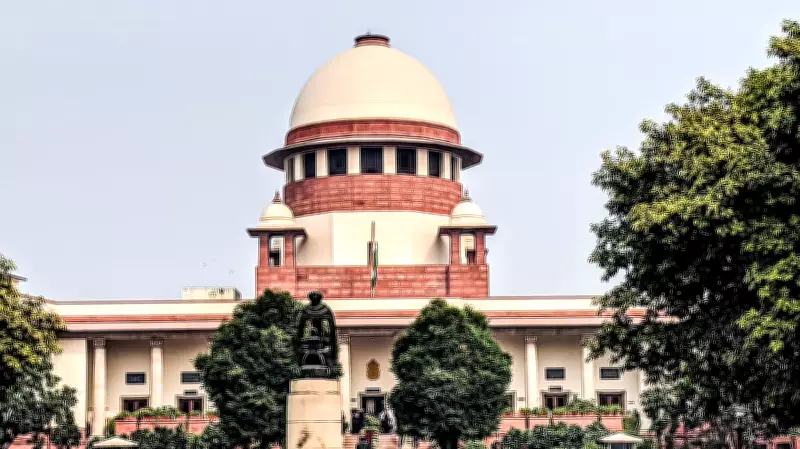
In a significant development for India's judicial system, the Supreme Court has officially approved the appointment of five retired judges to serve as ad-hoc judges. This decision marks a strategic move to address potential case backlogs and enhance judicial efficiency within the higher judiciary.
Details of the Appointment
The approved appointments include distinguished former justices who bring a wealth of experience to their new roles. The five retired judges appointed as ad-hoc judges are:
- Justice Mohd Faiz Alam Khan
- Justice Mohd Aslam
- Justice Syed Aftab Husain Rizvi
- Justice Renu Agarwal
- Justice Jyotsna Sharma
These appointments are specifically for the Allahabad High Court, one of India's oldest and busiest high courts. The Supreme Court's approval underscores the importance of leveraging experienced judicial minds to maintain the smooth functioning of the court system.
Implications for the Judiciary
The appointment of ad-hoc judges is a well-established practice aimed at managing caseloads and ensuring timely justice delivery. By bringing back retired judges, the judiciary can tap into their expertise without the long-term commitments of permanent appointments. This move is expected to help reduce pending cases and improve the overall efficiency of legal proceedings in the Allahabad High Court.
Experts view this decision as a proactive step by the Supreme Court to strengthen the judicial framework. It reflects a commitment to upholding the rule of law and ensuring that courts operate at optimal capacity, even amidst growing legal challenges.
Background and Context
The approval comes at a time when Indian courts are grappling with substantial backlogs, a issue that has been a focal point for judicial reforms. Ad-hoc appointments are often seen as a temporary yet effective solution to alleviate pressure on the existing bench. The selected judges have previously served with distinction, and their return is likely to bring stability and continuity to complex legal matters.
This development follows ongoing efforts to modernize and streamline India's judicial processes, aligning with broader goals of accessibility and efficiency in the legal system.