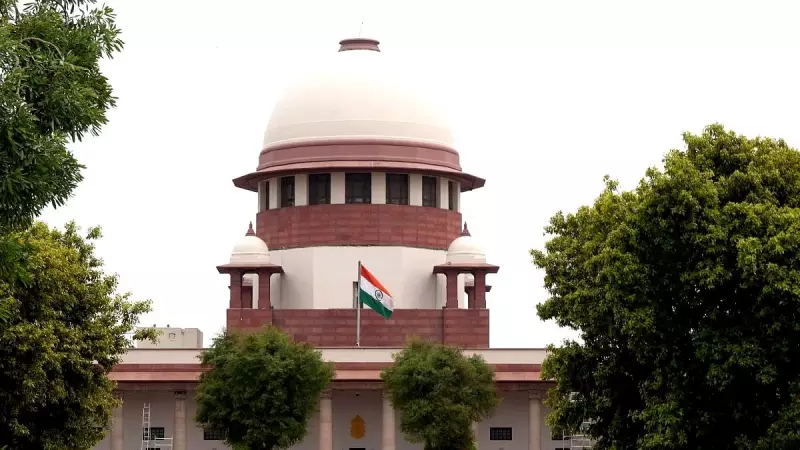
In a significant legal development, the Supreme Court of India has prolonged its restriction on a trial court from formally acknowledging a chargesheet filed against a professor affiliated with Ashoka University. This decision underscores a critical procedural hurdle in the case.
Court's Directive and Government's Stance
A bench presided over by Chief Justice Surya Kant and including Justice Joymalya Bagchi issued this order on Monday, January 6, 2026. The extension came after Additional Solicitor General SV Raju, representing the authorities, presented a crucial update to the court. He informed the justices that while the investigative agency filed the chargesheet in August 2025, the necessary legal sanction from the Haryana government has not been granted to date.
The absence of this sanction is a pivotal legal requirement for the case to proceed to trial in certain matters. Consequently, the Supreme Court bench found it appropriate to continue its interim order, effectively putting the lower court proceedings on hold until this prerequisite is fulfilled.

Implications of the Supreme Court Order
This judicial intervention means the trial court is barred from taking cognizance of the chargesheet. In legal terms, taking cognizance is the first formal step where a judge acknowledges the charges and decides to proceed with the trial. Without this step, the judicial process against the accused cannot move forward.
The court's order highlights the procedural checks and balances within the Indian legal system. It reinforces that even after a chargesheet is filed by investigating agencies, the process must adhere to all statutory requirements, including obtaining mandatory sanctions where applicable, before a trial can commence.
What Happens Next?
The case now effectively hinges on the decision of the Haryana state government. The prosecution must secure the required sanction to proceed. Until that official approval is communicated to the court, the Supreme Court's restraining order will remain in effect.
Legal experts point out that such sanctions are intended as a safeguard, often required in cases involving public servants or specific allegations, to prevent frivolous or motivated prosecutions. The next hearing in the Supreme Court will likely be scheduled to review whether the sanction has been provided, determining the future course of this high-profile case.