

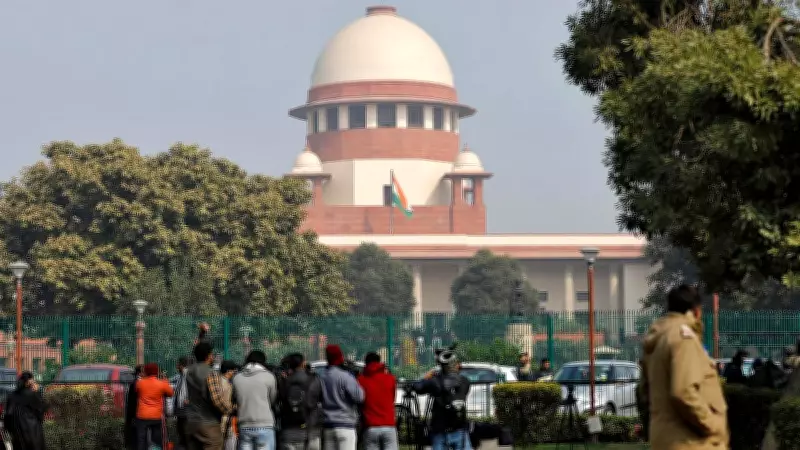
Supreme Court Clarifies Scheduled Caste Status Lost Upon Religious Conversion
In a landmark ruling, the Supreme Court of India has definitively stated that individuals who convert to religions other than Hinduism, Sikhism, or Buddhism will lose their Scheduled Caste (SC) status. This decision reinforces the legal framework that ties caste-based protections specifically to these three religions, as outlined in the Constitution of India.
Key Details of the Apex Court's Judgment
The bench emphasized that the Scheduled Caste designation is intrinsically linked to the social and historical contexts of Hinduism, Sikhism, and Buddhism within India. Conversion to any other faith, including Christianity or Islam, results in the forfeiture of this status. This ruling aims to maintain the integrity of reservation policies and affirmative action measures designed to uplift historically disadvantaged communities within these religious frameworks.
The court's decision is based on the principle that caste disabilities and discrimination are rooted in the Hindu social order, with Sikhism and Buddhism being recognized as offshoots that share similar societal structures. Therefore, protections under the SC category do not extend to individuals who adopt religions outside this sphere, as they may not face the same caste-based oppression in their new religious communities.

Implications for Legal Protections and Reservations
This ruling has significant implications for access to reservations in education, employment, and political representation. Individuals who convert may no longer be eligible for benefits such as:
- Quotas in government jobs and educational institutions
- Special schemes and welfare programs targeted at SC communities
- Legal safeguards against caste-based discrimination and atrocities
The court noted that this does not affect the rights of converts to practice their new religion freely, but it delineates the boundaries of caste-based affirmative action. Legal experts suggest that this could lead to increased scrutiny of conversion cases and potential challenges in proving continued eligibility for SC status post-conversion.
Background and Context of the Ruling
The Supreme Court's decision comes amid ongoing debates about religious conversion and its intersection with caste identity in India. Historically, the Constitution has recognized Scheduled Castes primarily within Hinduism, with later extensions to Sikhism and Buddhism through parliamentary acts. This ruling reaffirms that framework, aiming to prevent misuse of reservation policies and ensure that benefits reach those who genuinely suffer from caste-based disadvantages within these religions.
Observers highlight that this judgment may influence future cases involving religious identity and social justice, potentially affecting millions of individuals across the country. It underscores the complex relationship between religion, caste, and law in India's diverse societal landscape.






