

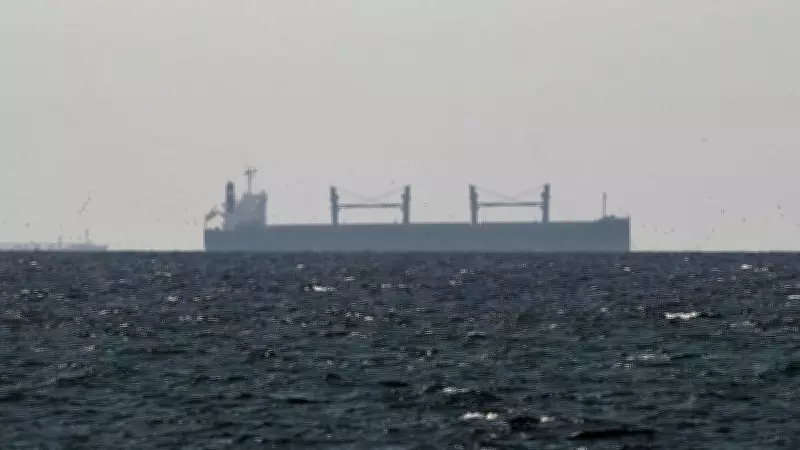
Hormuz Strait Crisis: A Global Turning Point in Maritime Security
The recent tensions in the Strait of Hormuz have escalated into a critical flashpoint, revealing a profound transformation in global maritime dynamics. What was once viewed as a stable and reliable commercial artery has now emerged as a potent instrument of coercion, intense competition, and escalating strategic risk. This shift marks a pivotal moment where geography is increasingly being weaponized to hold the world economy hostage, with far-reaching implications for international trade and security.
From Stability to Strategic Vulnerability
Historically, maritime routes like the Strait of Hormuz have served as the backbone of global commerce, facilitating the smooth flow of oil, goods, and resources across continents. However, recent events have starkly illustrated how these vital channels can be exploited for geopolitical leverage. Nations and non-state actors are now leveraging control over such chokepoints to exert pressure, disrupt supply chains, and assert dominance in regional and global affairs.
The Strait of Hormuz, in particular, has become a focal point of this new reality. As a critical passage for approximately one-fifth of the world's oil supply, any disruption here sends shockwaves through energy markets and economies worldwide. This vulnerability underscores a broader trend where maritime routes are no longer just conduits for trade but arenas for power struggles and strategic maneuvering.

Implications for Global Trade and Security
The weaponization of geography in the Strait of Hormuz has immediate and long-term consequences. On one hand, it heightens the risk of conflicts and escalations that could spill over into broader regional instability. On the other hand, it forces nations to reassess their dependence on these routes and invest in alternative strategies, such as diversifying energy sources or enhancing naval capabilities.
This crisis is not an isolated incident but a harbinger of future challenges. Other strategic maritime chokepoints, including the Malacca Strait, the Suez Canal, and the Bab el-Mandeb Strait, face similar risks of becoming tools of coercion. As global powers vie for influence, the competition over these routes intensifies, creating a volatile environment where commercial interests are increasingly intertwined with security concerns.
Navigating a New Era of Maritime Risk
To address these challenges, a multi-faceted approach is essential. Key steps include:
- Strengthening International Cooperation: Enhanced diplomatic efforts and multilateral agreements are crucial to de-escalate tensions and ensure the freedom of navigation in critical waterways.
- Investing in Security Measures: Nations must bolster their maritime surveillance, defense capabilities, and crisis response mechanisms to protect against disruptions and threats.
- Promoting Economic Resilience: Diversifying trade routes, developing alternative energy sources, and building strategic reserves can reduce vulnerability to geographic coercion.
In conclusion, the Strait of Hormuz crisis serves as a stark reminder that the world is entering an era where geography is no longer a passive backdrop but an active element of global strategy. As maritime routes transform into instruments of risk and competition, proactive measures are imperative to safeguard global stability and economic prosperity. The lessons from Hormuz must inform a broader reassessment of how we secure the arteries of international trade in an increasingly unpredictable world.






