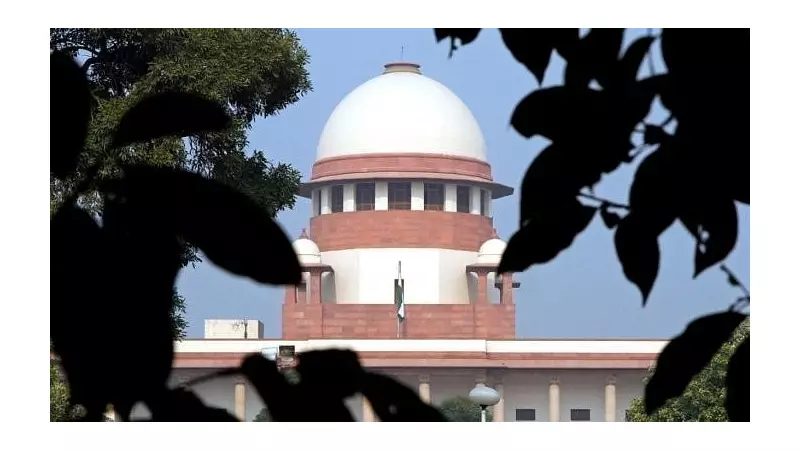
The Supreme Court of India has issued a significant ruling aimed at preventing recurring service-related disputes. The court emphasized that judicial bodies must interpret rules carefully to avoid such conflicts in the future.
Court Sets Aside High Court Orders
In a recent decision, the Supreme Court set aside a series of orders from the High Court. These orders were related to petitions filed by the Rajasthan Public Service Commission. The apex court reviewed the case thoroughly before making its final judgment.
Finality in Selection Processes
The Supreme Court strongly asserted that selection processes must attain finality. This principle is crucial for maintaining efficiency and fairness in public service appointments. Without finality, disputes can drag on indefinitely, causing confusion and delays.

The court explained that endless litigation over selections harms both candidates and administrative bodies. It creates uncertainty and wastes valuable resources. Therefore, establishing clear endpoints for selection procedures is essential.
Reserve Lists Cannot Be Infinite Stocks
Another key point from the ruling concerns reserve lists. The Supreme Court stated that these lists cannot serve as an infinite stock for appointments. Reserve lists should have specific purposes and time limits.
Using reserve lists without restrictions leads to prolonged disputes. Candidates may wait for years without clarity. The court warned against this practice, urging authorities to follow rules strictly.
Implications for Future Cases
This ruling sets an important precedent for similar cases across India. Courts will now need to interpret rules with the goal of preventing recurring disputes. The focus should be on achieving finality and limiting the misuse of reserve lists.
Public service commissions and other appointing bodies must take note. They should design selection processes that minimize legal challenges. Clear rules and timely actions can help avoid prolonged conflicts.
The Supreme Court's decision highlights the need for judicial prudence. By interpreting rules effectively, courts can reduce the burden of service-related litigation. This benefits the entire system, from candidates to government departments.