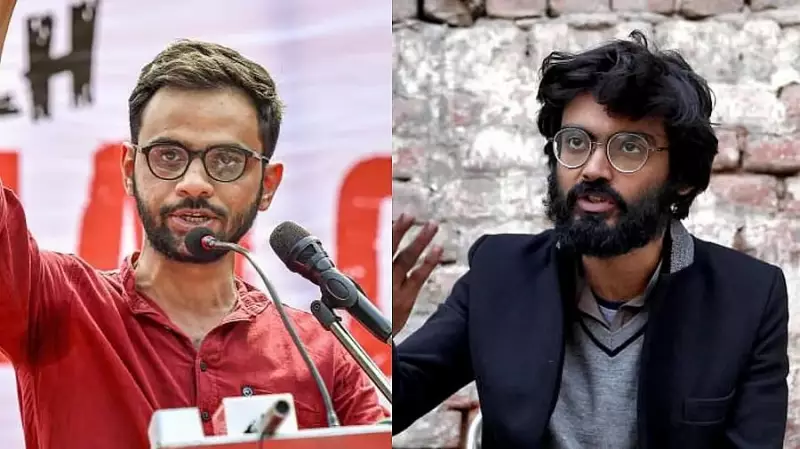
In a significant development in the long-running Delhi riots conspiracy case, the Supreme Court of India has rejected the bail applications of activists Umar Khalid and Sharjeel Imam. The verdict, delivered on January 5, 2026, marks a crucial juncture in the legal proceedings stemming from the communal violence that engulfed the national capital in February 2020.
Court's Reasoning and Different Footing
The apex court bench, while pronouncing its order, made a critical observation regarding the two accused. It stated that Umar Khalid and Sharjeel Imam "stand on a different footing" compared to their co-accused. This distinction formed the core of the court's decision to deny them relief at this stage. The bench did not elaborate extensively in the open court, but the phrasing suggests the gravity of the allegations and evidence presented against them under the stringent Unlawful Activities (Prevention) Act (UAPA) is viewed differently by the judiciary.
The court, however, provided a potential future avenue for the duo. It allowed both Khalid and Imam to renew their request for bail upon the completion of the examination of protected witnesses. Furthermore, the bench stated they could also seek bail afresh on the expiry of a one-year period from the date of this order, whichever is earlier.
Relief for Five Co-Accused
In a contrasting outcome, the same Supreme Court bench extended relief to five other individuals accused in the same case. The court granted bail to co-accused Gulfisha, Meeran Haider, Saleem Khan, Shifa, and Shadad. This differential treatment underscores the court's case-by-case analysis based on the specific roles and evidence attributed to each individual within the broader conspiracy allegations related to the northeast Delhi riots.
The riots, which occurred in February 2020, were some of the worst communal violence Delhi had witnessed in decades, resulting in over 50 deaths and widespread property damage. The investigation led to the filing of a large conspiracy case, alleging a pre-planned design to incite violence, with several activists and students being charged under the UAPA.
Legal Implications and Next Steps
The Supreme Court's order has several immediate implications. For Umar Khalid and Sharjeel Imam, it means a continued period of incarceration as the trial proceeds. Their legal teams will now have to prepare for the examination of protected witnesses, a process that can be lengthy, before they can approach the court again for bail under the conditions set.
For the five co-accused granted bail, the order paves the way for their release from custody, subject to the fulfillment of bail conditions set by the trial court. The split verdict highlights the nuanced application of bail jurisprudence in cases involving serious charges like those under the UAPA, where the threshold for granting bail is exceptionally high.
The case continues to be closely watched as a landmark legal battle concerning allegations of conspiracy, the application of anti-terror laws, and the right to bail. All eyes will now be on the pace of the trial and the examination of witnesses, which will determine the future course of action for the accused.