

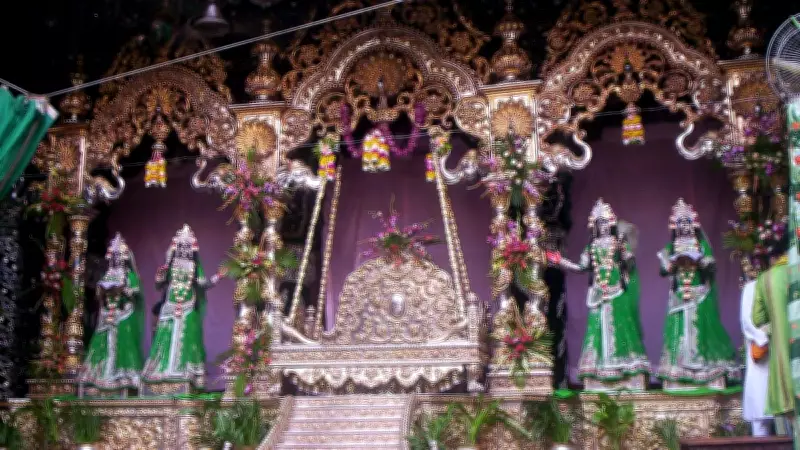
The Supreme Court has directed the restoration of traditional rituals at the Banke Bihari temple in Vrindavan, effectively ending the VIP culture that had crept into the management of the shrine. The bench, while delivering its verdict, emphasised that traditional practices could be reinstated provided there was no exploitation of devotees or creation of a privileged class.
Background of the Case
The matter reached the apex court after multiple petitions highlighted the growing VIP culture at the temple, where special darshan and entry privileges were being given to celebrities, politicians, and other influential persons, often at the cost of ordinary devotees. The petitioners argued that such practices violated the sanctity of the temple and the rights of devotees guaranteed under the Constitution.
Key Observations by the Supreme Court
The bench noted that the temple is a place of worship and must be accessible to all without discrimination. It observed that the VIP culture had created an unfair hierarchy among devotees, which is contrary to the spirit of devotion and equality. The court directed the temple management to restore traditional rituals that were in practice before the introduction of VIP darshan and other exclusive privileges.

- The court ordered the removal of separate queues and special entry points for VIPs.
- It directed that all devotees should follow the same procedure for darshan, regardless of their social or economic status.
- The management was asked to ensure that no special treatment is given to any individual or group during religious ceremonies.
Reactions and Implementation
The verdict has been widely welcomed by devotees and religious groups who had been demanding an end to the VIP culture. Temple authorities have been given a timeframe to implement the changes and submit a compliance report to the court. The state government has also been directed to ensure strict adherence to the new guidelines.
Impact on Temple Management
The decision is expected to bring significant changes in the way the Banke Bihari temple is managed. It will also serve as a precedent for other religious institutions across the country where similar practices have been observed. The court has made it clear that no temple can create a privileged class of devotees, and all must be treated equally in the eyes of the divine.
The Supreme Court's order is a landmark step towards preserving the sanctity of religious places and ensuring that they remain accessible to all sections of society without any discrimination.






