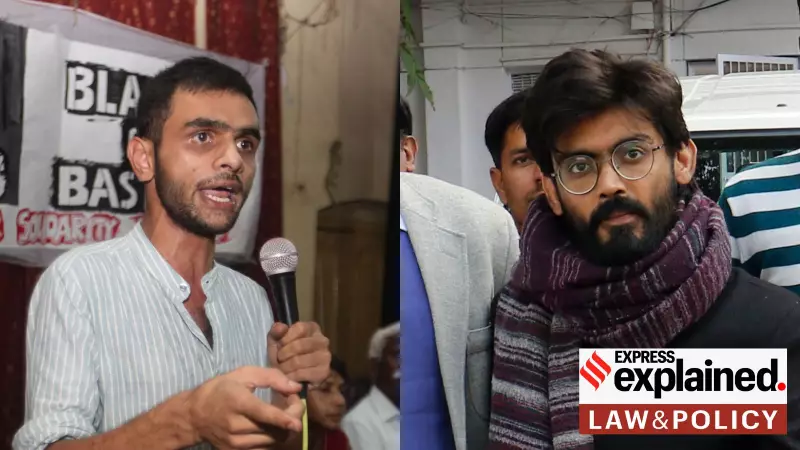
In a significant ruling with far-reaching implications for anti-terror law, the Supreme Court of India on Monday, January 5, 2026, granted bail to five accused but denied it to two key figures in the 2020 Northeast Delhi riots case. The bench, headed by Justice Aravind Kumar, refused bail to Umar Khalid and Sharjeel Imam while releasing five others, creating a clear hierarchy among the accused based on their alleged roles.
Creating a Hierarchy of Culpability
The court explicitly stated that not all accused stand on equal footing. The bench observed that the allegations against the principal accused indicate a central and directive role in conceptualising, planning, and coordinating the alleged terrorist act. In contrast, the material against certain co-accused reflected conduct of a subsidiary or facilitative nature. This nuanced approach meant that even though all the accused faced similar charges under the stringent Unlawful Activities (Prevention) Act (UAPA), the Arms Act, and various penal law provisions, their individual roles were scrutinised separately for bail considerations.
This bail decision brought two critical legal issues to the forefront: the very definition of what constitutes a terrorist act and who determines it, and whether prolonged incarceration before trial can be justified under anti-terror legislation. The case had also become symbolic of the systemic delays within the judicial process.
Broadening the Scope of a 'Terrorist Act'
Central to the court's reasoning was its interpretation of Section 15 of the UAPA. This section defines a terrorist act as one done with intent to threaten India's unity, integrity, security, or sovereignty, or to strike terror among its people. The provision specifies that such terror can be struck using bombs, dynamite, firearms, or any other means.
The prosecution argued that a chakka jam (road blockade), which Khalid and others were accused of conspiring to organise, would fall under the ambit of any other means. Representing Khalid, Senior Advocate Kapil Sibal countered that advocating for road blockades is a legitimate form of democratic protest. The defence's core argument was that since the provision primarily discusses violent means, the phrase any other means should be interpreted to mean only other violent means.
The Supreme Court, however, sided with the prosecution's broader interpretation. The court ruled that the means of committing a terrorist act are not confined to conventional weapons like bombs or firearms alone. It emphasised that Parliament consciously used the expansive expression any other means of whatever nature, which cannot be rendered meaningless. The statutory focus, therefore, is not solely on the instrument used but on the design, intent, and effect of the act.
Implications and Legal Precedent
This ruling effectively accepts a more expansive definition of what can be considered a terrorist act under Indian law. By agreeing that a chakka jam could potentially fall under the UAPA's purview if done with the requisite intent, the court has widened the legal net. This interpretation sets a precedent that could influence future cases where non-conventional methods are alleged to have been used to create terror or threaten national integrity.
The immediate consequence is the continued incarceration of Umar Khalid and Sharjeel Imam as they await trial. The order also underscores the court's willingness to examine the specific role of each accused in a conspiracy, even when charges are similar, potentially affecting bail jurisprudence in other multi-accused UAPA cases. The decision highlights the ongoing tension between national security imperatives, as enforced through laws like the UAPA, and the rights of the accused to a speedy trial.