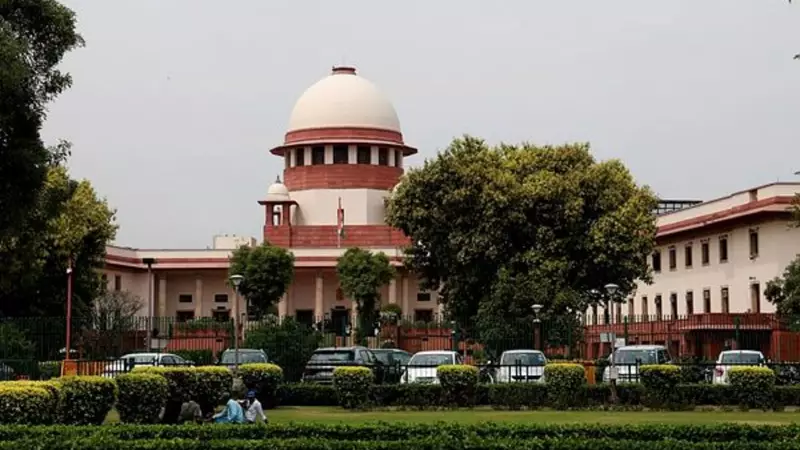
In a significant development, the Supreme Court of India has granted bail to Arvind Dham, the former promoter and director of the troubled Amtek Group. Dham is a key accused in an alleged bank fraud case involving a staggering sum of Rs 25,000 crore.
Overturning the Delhi High Court's Decision
The apex court's decision, delivered on Tuesday, January 6, 2026, by a bench of Justices Sanjay Kumar and Alok Aradhe, came on a plea challenging the Delhi High Court's earlier order. The High Court had denied bail to Dham on August 19, 2025, calling the economic offences of "exceptional magnitude" that erode public trust.
The High Court had strongly argued against granting relief, stating that releasing Dham prematurely would risk compromising both the ongoing trial and public confidence in the justice system. It emphasized the seriousness of the charges and the substantial evidence gathered by investigating agencies.

The Details of the Alleged Fraud
The case stems from actions taken by the Enforcement Directorate (ED), which arrested Arvind Dham on July 11, 2023. The arrest was based on a predicate offence registered by the Central Bureau of Investigation (CBI). The CBI case itself was initiated following written complaints from IDBI Bank and the Bank of Maharashtra.
The core allegation against Dham is that he diverted massive loans through cheating, fraud, and criminal breach of trust. The ED has specifically accused him of causing a wrongful loss of Rs 673.35 crore to the banks. This is part of a larger default by the Amtek Group, which failed to repay loans exceeding Rs 25,000 crore taken from more than 15 banks.
Massive Financial Fallout and Judicial Reasoning
The financial collapse of the Amtek Group sent shockwaves through India's banking sector. Key companies under its umbrella, including ARG Limited, ACIL Limited, Amtek Auto Limited, Metallic Forging Limited, and Castex Technologies Limited, were forced into insolvency proceedings.
The resolution of these insolvency cases resulted in a devastating haircut of more than 80% for the creditor banks, translating into enormous financial losses. The Delhi High Court had taken note of this, pointing out that Dham's own proposed resolution plan envisaged paying a mere Rs 35 crores against dues of thousands of crores, underscoring the "irreparable nature of the alleged loss to the public exchequer."
In its order denying bail, the High Court had also highlighted the complexity of modern economic crimes. It noted that with advancements in technology and Artificial Intelligence, offences like money laundering pose a serious threat to the nation's financial system, requiring meticulous investigation.
While the Supreme Court's bail order provides temporary relief to Arvind Dham, the legal battle and the trial for one of India's most substantial alleged bank frauds are far from over. The decision shifts the focus back to the lower courts where the substantive matter will be contested.