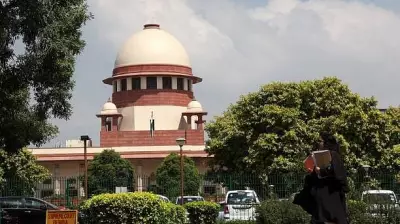
Supreme Court Grants Bail to Separatist Leader Shabir Shah Citing Trial Delays and Prolonged Custody
The Supreme Court of India has granted bail to separatist leader Shabir Shah, a decision that underscores significant concerns over judicial delays and the human rights implications of extended incarceration without trial. In a notable ruling, a bench of the apex court observed that there were bleak chances of the trial's early disposal, and the 74-year-old had been in custody for a prolonged period, factors that weighed heavily in favor of granting him relief.
Key Factors in the Bail Decision
The court's decision was based on two primary considerations that highlight systemic issues within the Indian legal framework. Firstly, the bench noted the bleak prospects of the trial concluding in the near future, a situation that has become increasingly common in high-profile cases involving complex legal proceedings. Secondly, Shabir Shah's advanced age and the fact that he has been incarcerated for over seven years without a conviction were deemed compelling reasons to grant bail, emphasizing the principle that prolonged detention without trial can amount to a violation of fundamental rights.
Background of the Case
Shabir Shah, a prominent figure in Jammu and Kashmir's separatist movement, has been embroiled in legal battles for years, particularly in a money laundering case that has seen numerous delays and procedural hurdles. His custody began in 2019, and since then, the trial has progressed slowly, with multiple adjournments and legal challenges contributing to the protracted timeline. The Supreme Court's ruling comes at a time when there is growing scrutiny on the pace of justice delivery in India, especially in cases involving political figures and sensitive charges.
Implications for Judicial Processes
This bail grant raises important questions about the efficiency of India's judicial system and the rights of undertrial prisoners. Legal experts point out that such decisions often serve as a reminder of the need for reforms to expedite trials and reduce backlog in courts. The Supreme Court's emphasis on the bleak chance of early disposal reflects a broader concern that delays can undermine the very purpose of justice, leading to what some describe as de facto punishment without due process.
Reactions and Future Outlook
While the bail has been welcomed by Shah's supporters and human rights advocates, it has also sparked debate among legal circles and political observers. Some argue that it sets a precedent for similar cases where accused individuals face extended incarceration without trial, potentially influencing future bail applications in high-profile matters. As Shabir Shah prepares for his release, the focus now shifts to how the trial will proceed and whether this ruling will prompt any changes in how such cases are handled to prevent undue delays in the future.