

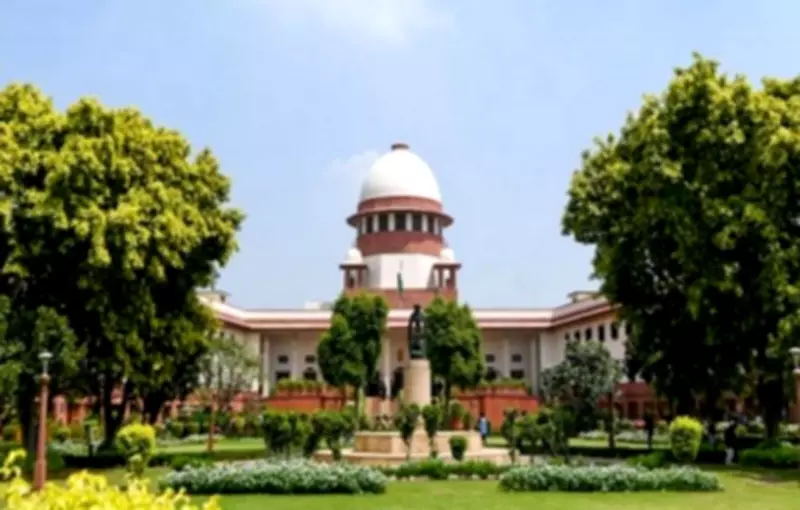
The Supreme Court of India has issued a significant directive to all high courts across the country, mandating that judgments must be pronounced within three months of reserving an order. This move is aimed at reducing delays in the judicial system and ensuring timely justice for litigants.
Key Directive Details
In a recent order, the apex court emphasized that once a case is reserved for judgment, the high courts must deliver the verdict within a period of three months. The directive applies to all pending cases where judgments have been reserved. The Supreme Court noted that unnecessary delays in pronouncing judgments undermine public confidence in the judiciary.
Reason Behind the Decision
The decision comes in response to concerns about the backlog of cases and prolonged waiting periods for judgments. The Supreme Court observed that in many instances, judgments were being delayed for months or even years after the conclusion of arguments. This not only affects the parties involved but also clogs the judicial system.

Implementation and Compliance
The Supreme Court has directed the registries of all high courts to ensure compliance with this timeline. It has also asked high courts to report any exceptional circumstances that may require an extension. The order is expected to bring more accountability and efficiency in the functioning of high courts.
Impact on Justice Delivery
Legal experts believe that this directive will significantly speed up the disposal of cases and reduce the burden on the judiciary. Litigants will benefit from quicker resolutions, and the overall credibility of the judicial process will be enhanced. The Supreme Court's proactive step is seen as a major reform in the Indian legal system.
Reactions from Legal Fraternity
The directive has been widely welcomed by lawyers and legal activists. Many have praised the Supreme Court for taking a firm stand against judicial delays. However, some have expressed concerns about the feasibility of the three-month timeline given the heavy workload of high courts. The Supreme Court has assured that it will monitor compliance and provide necessary support.
In conclusion, the Supreme Court's order to high courts to pronounce judgments within three months of reserving orders is a landmark step towards ensuring timely justice. It reflects the judiciary's commitment to reform and efficiency.






