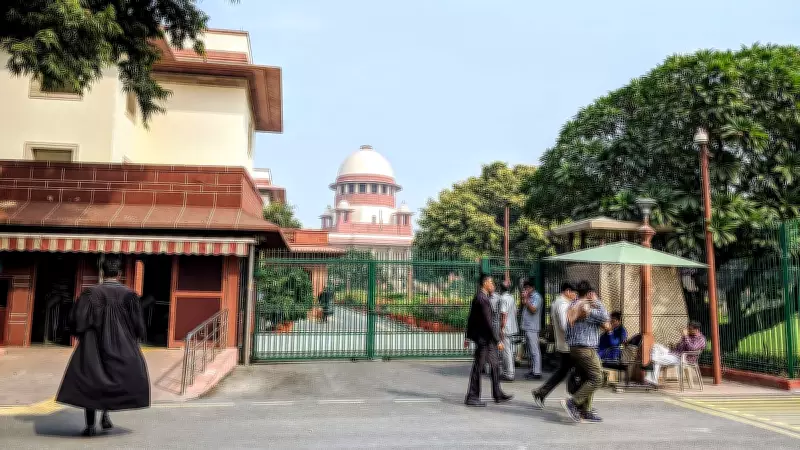
Supreme Court Issues Notice to Centre on Plea Challenging 2023 Data Protection Law
The Supreme Court of India has taken a significant step by issuing a formal notice to the Central Government in response to a petition that challenges the constitutional validity and operational aspects of the Digital Personal Data Protection Act of 2023. This development marks a pivotal moment in the ongoing legal discourse surrounding data privacy and governance in the country.
Bench Composition and Key Proceedings
A distinguished bench, led by Chief Justice Surya Kant and including Justices Joymalya Bagchi and Vipul M Pancholi, presided over the hearing. The bench demonstrated a cautious yet proactive approach by agreeing to delve into the intricate legal complexities presented by the Act. However, in a measured decision, the court explicitly refused to grant an interim stay on the impugned provisions, allowing the law to remain in effect while the legal examination proceeds.
Legal Implications and Broader Context
The petition raises critical questions about the implementation and potential overreach of the 2023 data protection legislation, which aims to regulate how personal data is processed by entities across India. Legal experts suggest that this challenge could set important precedents for future data privacy cases, impacting both governmental and private sector operations.
Key aspects under scrutiny include:
- The balance between individual privacy rights and state security interests.
- The procedural fairness and transparency in data handling as mandated by the Act.
- Potential conflicts with existing constitutional frameworks and international data protection standards.
This judicial review comes at a time when digital transformation is accelerating globally, making data protection laws increasingly relevant. The Supreme Court's decision to issue a notice indicates a willingness to engage with these complex issues, potentially leading to clarifications or amendments that could reshape India's digital landscape.
The outcome of this case is eagerly awaited by stakeholders ranging from tech companies and legal scholars to civil society organizations, all of whom are keenly observing how the judiciary navigates the delicate interplay between innovation, regulation, and fundamental rights.