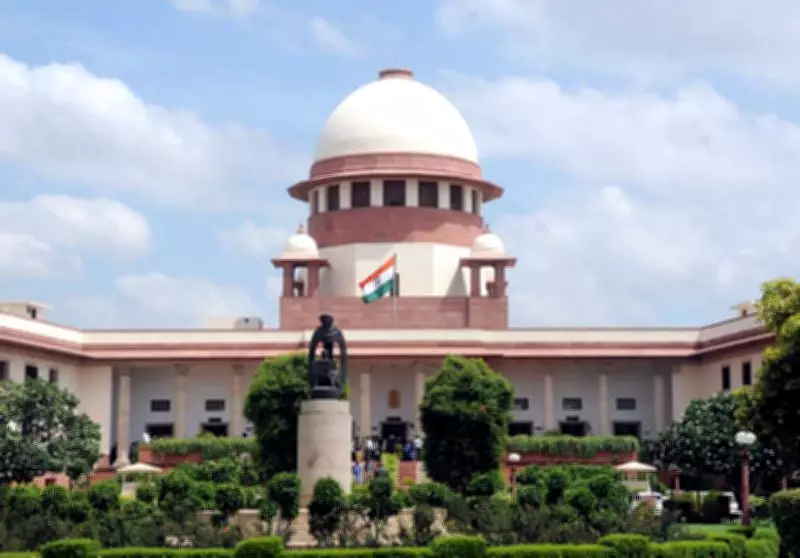
The Supreme Court on Monday issued notices to the Centre, all states and Union Territories on a batch of petitions challenging the Transgender Persons (Protection of Rights) Amendment Act, 2021. The petitions, filed by transgender rights activists and organisations, allege that the amended law dilutes the rights of the transgender community.
Key Allegations in Petitions
The petitioners have contended that the amendment undermines the landmark 2014 Supreme Court judgment in National Legal Services Authority (NALSA) vs Union of India, which recognised the right of transgender persons to self-identify their gender. They argue that the amended act introduces a screening committee for issuing identity certificates, which goes against the principle of self-determination.
Concerns Over Screening Committee
Under the amended law, a district-level screening committee, comprising a medical officer, a psychologist, and a social welfare officer, will evaluate applications for transgender identity certificates. The petitioners claim this process is invasive and violates privacy and dignity. They also point out that the act does not provide for any appeal mechanism against the committee's decisions.

Impact on Community
Transgender rights groups have expressed concern that the new provisions could lead to harassment and discrimination. They argue that the requirement for medical and psychological evaluation perpetuates stigma and pathologises transgender identities. The petitions seek to strike down several sections of the amendment, including those related to the screening committee and the certification process.
Government's Stand
The central government, in its response, is expected to defend the amendment, stating that it aims to streamline the process of issuing identity certificates and prevent misuse. The government may argue that the screening committee ensures proper verification and safeguards the interests of the community.
Next Steps
A bench headed by Chief Justice of India D.Y. Chandrachud issued the notices and posted the matter for further hearing after four weeks. The court also directed that the petitions be tagged with similar pending matters. The outcome of this case will have significant implications for the rights of transgender persons in India.
The petitions have been filed by various individuals and organisations, including the Transgender Welfare Board of Maharashtra and activist Gauri Sawant. The Supreme Court's intervention comes amid ongoing debates about the balance between regulation and fundamental rights.