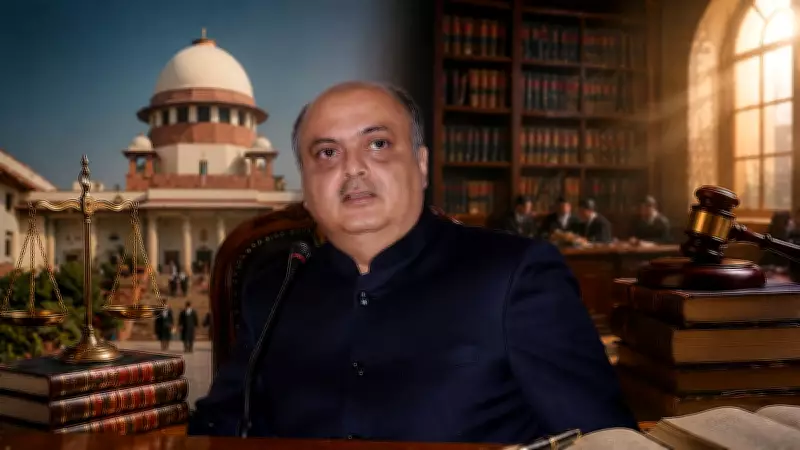
Supreme Court Judge Criticizes Lawyers for Contributing to Case Delays
A Supreme Court judge has raised significant concerns about the role of lawyers in contributing to delays in court cases, emphasizing that the judiciary is already overstretched and facing immense pressure. The judge pointed out that while courts have a duty to allow lawyers to present their cases fully, the tendency for repetitive arguments and prolonged proceedings exacerbates the backlog of pending cases across the country.
Judicial Duty and Lawyer Responsibilities
The judge clarified that although judges may occasionally intervene to stop lawyers from repeating arguments unnecessarily, they are fundamentally bound by their duty to ensure that every legal representative has the opportunity to present their case comprehensively. This balance between efficiency and fairness is crucial in a system where millions of cases remain unresolved, leading to prolonged justice delivery.
Impact on Court EfficiencyThe remarks underscore a growing issue within India's judicial framework, where delays not only affect litigants but also strain court resources. With courts already handling an overwhelming number of cases, any additional time spent on redundant arguments can further slow down the process, impacting access to timely justice for citizens.

This criticism comes at a time when the Supreme Court and lower courts are grappling with a massive backlog, highlighting the need for reforms in legal practices. Lawyers play a pivotal role in the administration of justice, and their approach to case presentation can significantly influence court timelines and overall judicial efficiency.

- Judges are obligated to permit full case presentations by lawyers.
- Repetitive arguments by lawyers contribute to case delays.
- Overstretched courts face increased burdens from prolonged proceedings.
- Addressing these issues is essential for improving justice delivery in India.