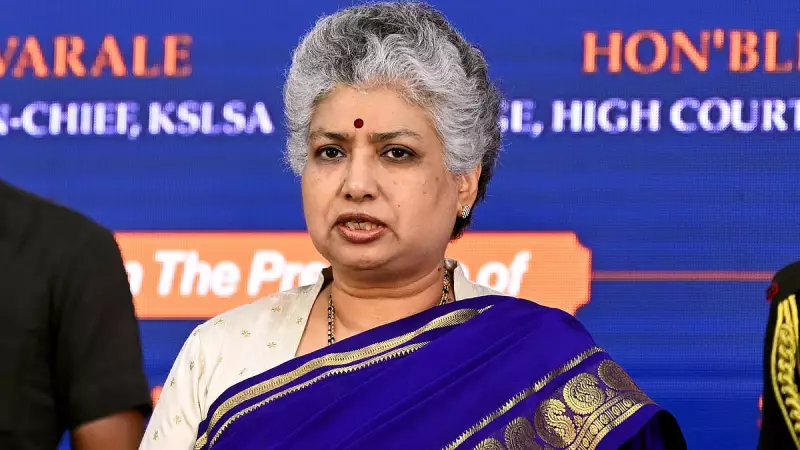
Supreme Court Judge Calls on Youth to Reject Corrupt Family Wealth
Justice Nagarathna of the Supreme Court made a powerful statement today. She urged children to shun wealth acquired by their parents through corrupt means. This remark came during a significant hearing on India's anti-corruption laws.
Split Verdict on Anti-Graft Law Provision
A bench comprising Justices Nagarathna and K V Viswanathan delivered a split verdict. They examined the constitutional validity of a 2018 provision in the Prevention of Corruption Act. This provision mandates prior sanction before initiating a probe against a government servant in corruption cases.
The judges could not reach a unanimous decision. This split verdict highlights the complex legal questions surrounding anti-corruption measures. The provision aims to protect government officials from frivolous investigations. However, critics argue it might shield corrupt individuals.

Justice Nagarathna's Strong Moral Stand
Justice Nagarathna emphasized ethical values during the proceedings. She stated that children should not benefit from ill-gotten gains. Her comments reflect a broader concern about the societal impact of corruption.
"Wealth obtained through corruption taints the entire family," she implied. This moral stance resonates with ongoing public debates about accountability and integrity in public life.
Implications for Anti-Corruption Efforts
The split verdict means the legal issue remains unresolved. It will likely go to a larger bench for final determination. This case tests the balance between procedural safeguards and effective corruption prosecution.
Legal experts note several key points:
- The 2018 provision requires prior approval from competent authorities.
- This applies specifically to corruption cases involving government servants.
- The split verdict indicates deep judicial divergence on its constitutionality.
Justice Nagarathna's comments add a moral dimension to the legal debate. She connects individual responsibility with systemic reform. Her words remind citizens that fighting corruption requires personal commitment.
The Supreme Court continues to play a crucial role in shaping India's anti-corruption framework. This case demonstrates the judiciary's active engagement with governance issues. The final outcome will influence how corruption cases are investigated across the country.