Supreme Court Warns States of Heavy Compensation for Stray Dog Bite Deaths
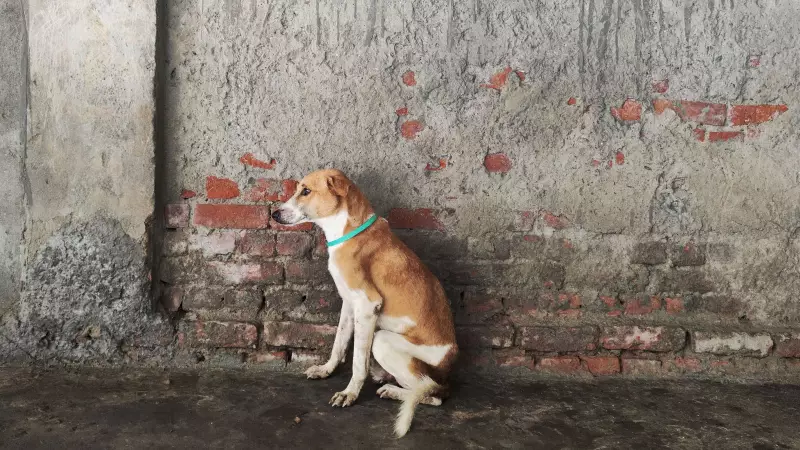
The Supreme Court of India issued a stern warning to state authorities on Tuesday. The court said it may impose heavy compensation payments for every death or injury caused by stray dog bites. This strong statement came during a hearing on the long-standing issue of stray dogs in the country.
Court Expresses Frustration Over 75 Years of Inaction
A bench comprising Justices Vikram Nath, Sandeep Mehta, and N V Anjaria did not mince words. They expressed clear exasperation with the lack of action from authorities over decades. Justice Nath pointed out the failure of states to address the problem effectively for seventy-five years.
"It's clearly a failure on their part, for 75 years," Justice Nath stated firmly. "And they have created a worse situation. That's what we want to put to the states to take them to task for this."

The justice elaborated on the potential consequences. "For every dog bite, and every death or injury caused to a child or old or feeble person, we are likely to fix heavy compensation to be paid by the state, for not having done anything for the last 75 years."
Accountability for Those Feeding Stray Dogs
The court also addressed the role of individuals who feed stray dogs. Justice Nath questioned why dogs should be allowed to roam freely and cause harm. He suggested that people who want to protect dogs should take them into their homes instead.
"And also, liability and accountability on all those who claim that they are feeding dogs and want to protect them," he said. "Protect them, fair enough, you take them home. Keep them inside your campus, your house. Why should dogs be loitering around everywhere and frightening people, biting them, causing deaths, chasing?"
Arguments from Animal Rights Advocates
Senior Advocate Menaka Guruswamy represented some animal shelters during the hearing. She drew attention to parliamentary debates from the 1950s that already discussed the stray dog issue. Guruswamy termed the problem a "societal challenge" and emphasized the importance of implementing Animal Birth Control Rules properly.
She presented historical data showing that killing stray dogs did not reduce their numbers. Instead, sterilization proved more effective. Guruswamy also cited statistics from 2019 to 2022 showing a significant decrease in animal bites after immunization and sterilization programs.
"If the regulators did their job a little better, we would not have had the catastrophe we are living with now," she argued.
Concerns About Stray Dog Population
Senior Advocate Arvind P Datar appeared for the Humane Foundation for People and Animals. He supported the Supreme Court's previous order from November 7, 2025, which directed the removal of stray dogs from institutional areas.
Datar highlighted the alarming growth of the stray dog population across India. He argued that sterilizing dogs and releasing them back onto the streets has worsened the situation. According to his submission, capturing and sterilizing over 50 million stray dogs is virtually impossible.
Justice Mehta raised additional concerns about public health and wildlife. He mentioned that stray dogs can carry viruses like distemper, which can infect other animals including tigers in forest areas like Ranthambore.
Court Seeks to Move Forward with Orders
The bench expressed frustration with the lengthy hearing process. Justice Nath noted this was the fourth day of arguments on the matter. He urged lawyers to allow the court to complete the hearing and pass necessary orders.
"Allow us to take to task the Union, state authorities, corporations, and local bodies so that what started in the 1950s, as you are just reading out, we can at least now put that into motion and get things better," Justice Nath stated. "But nobody is allowing us to pass an order."

The justice emphasized the need for concrete action plans from state and union authorities. "We need to spend half a day with the states and the Union, calling upon them to answer what they have done, why they have not done and what is their plan of action. Do they have a plan of action? They have not done anything."
Looking Ahead
Senior Advocate Pinky Anand acknowledged the complexity of the issue during her arguments. She noted that various perspectives exist, including extreme suggestions, but emphasized the need for proper policy rather than ad-hoc solutions.
The Supreme Court bench made it clear they want to ensure implementation of existing statutory provisions. They aim to hold authorities accountable for their decades of inaction on the stray dog problem.
The hearing will resume on January 20, when the court expects to make further progress toward final orders on this pressing national issue.