Supreme Court Questions Lifetime Immunity for Election Commissioners
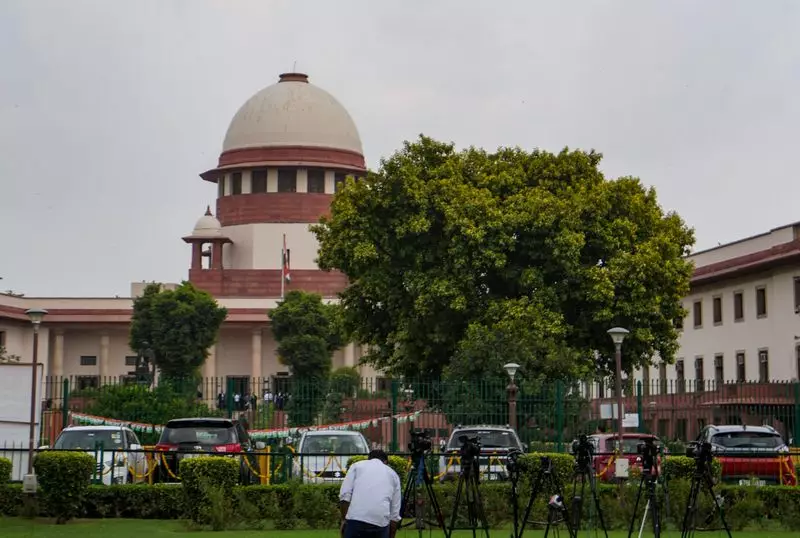
The Supreme Court of India has taken a significant step by issuing a formal notice to the central government. This action comes in response to a public interest litigation that challenges a longstanding legal provision.
The petition specifically targets the grant of lifelong immunity from prosecution to the Chief Election Commissioner and other Election Commissioners. This immunity is currently protected under the Constitution of India.
Legal Challenge Gains Momentum
A bench of the Supreme Court, led by Justice Sanjiv Khanna, heard the arguments presented by the petitioners. The court decided that the matter requires thorough examination and a response from the government.

The petitioners argue that providing absolute immunity to Election Commissioners could potentially undermine accountability. They claim that such protection might shield officials from legal scrutiny even in cases of alleged misconduct.
The central government must now file its reply within a specified timeframe. This development marks a crucial phase in the ongoing debate about the powers and protections afforded to constitutional authorities.
Background of the Immunity Provision
The immunity clause for Election Commissioners has been part of Indian law for decades. It was designed to ensure that these officials can perform their duties without fear of harassment or legal intimidation.
However, critics have increasingly questioned whether this blanket protection remains appropriate in modern times. They point to evolving standards of transparency and accountability in public office.
The Supreme Court's intervention suggests that the judiciary is willing to reconsider established norms. This case could set an important precedent for how constitutional bodies are regulated in India.
Potential Implications of the Case
If the Supreme Court ultimately rules in favor of the petitioners, it could lead to significant changes in the legal framework governing the Election Commission. The decision might require amendments to existing laws or even constitutional provisions.
On the other hand, if the court upholds the current immunity, it would reaffirm the special status of Election Commissioners. This outcome would emphasize the need for independent electoral oversight free from external pressures.
The case has attracted attention from legal experts, political analysts, and civil society organizations. Many see it as a test of India's commitment to balancing institutional independence with public accountability.
Next Steps in the Legal Process
The Supreme Court has scheduled further hearings on this matter. Both sides will have the opportunity to present detailed arguments and evidence.
The government's response will likely address several key points:
- The historical rationale for granting immunity to Election Commissioners
- The potential consequences of removing or modifying this protection
- Comparative practices in other democracies regarding electoral authorities
Legal observers expect a vigorous debate on the constitutional principles involved. The outcome could influence not only the Election Commission but other independent institutions as well.
This case represents another chapter in the ongoing dialogue between different branches of government in India. It highlights the dynamic nature of constitutional interpretation in a vibrant democracy.