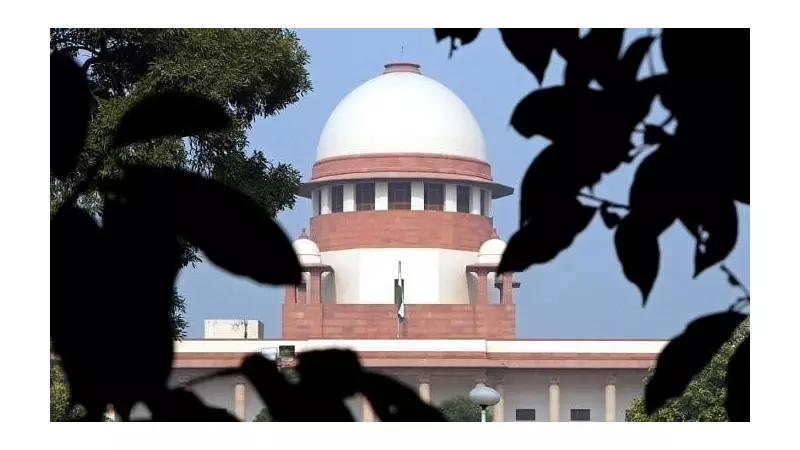
Supreme Court Takes Up Thirupparankundram Temple Management Dispute
The Supreme Court of India has issued formal notices to the Central Government and the Tamil Nadu state government in response to a significant petition seeking the Archaeological Survey of India's (ASI) takeover of the historic Thirupparankundram temple. This legal development marks a crucial step in the ongoing administrative and religious dispute surrounding one of Tamil Nadu's prominent temple sites.
Legal Proceedings and High Court Background
During the recent hearing before the apex court, judicial authorities were informed about the Madras High Court's earlier ruling on January 6, 2026. The High Court had upheld a single judge's order specifically concerning the ceremonial lighting of the lamp within the temple premises. This particular aspect of temple rituals has become a focal point in the broader legal battle over management and control.
The Supreme Court's decision to issue notices indicates the judiciary's recognition of the petition's constitutional and cultural significance. Both the Union Government and the Tamil Nadu administration will now need to formally respond to the court regarding their positions on the proposed ASI takeover of the Thirupparankundram temple complex.

Historical and Cultural Context of Thirupparankundram Temple
Thirupparankundram temple, located near Madurai in Tamil Nadu, stands as one of the six abodes of Lord Murugan and holds immense religious importance for devotees across South India. The temple's architectural and historical significance has made its preservation and proper management a matter of national interest, particularly concerning ancient monuments protected under archaeological regulations.
The current legal petition argues that ASI oversight would ensure better preservation of the temple's historical elements while maintaining proper administrative protocols. Proponents of the takeover suggest that centralized archaeological management could resolve ongoing disputes about ritual practices, maintenance standards, and administrative transparency that have surfaced in recent years.
Broader Implications for Temple Management in India
This case emerges within the larger context of temple administration debates across India, where questions of state control versus central oversight frequently arise. The Supreme Court's involvement adds a constitutional dimension to what began as a regional temple management issue, potentially setting precedents for how ancient religious sites with archaeological significance should be governed.
Legal experts following the case note that the outcome could influence similar disputes regarding other historically significant temples where preservation concerns intersect with religious practices and local administration. The court's eventual ruling may clarify the balance between archaeological preservation mandates and traditional temple management structures that have operated for centuries.
As the legal process continues, all parties await the responses from both government entities. The Supreme Court has scheduled further hearings to examine the constitutional, cultural, and administrative aspects of this complex temple management case that touches upon heritage preservation, religious autonomy, and governmental jurisdiction.