

Supreme Court Mandates CBI Investigation into Arunachal Chief Minister's Family Contracts
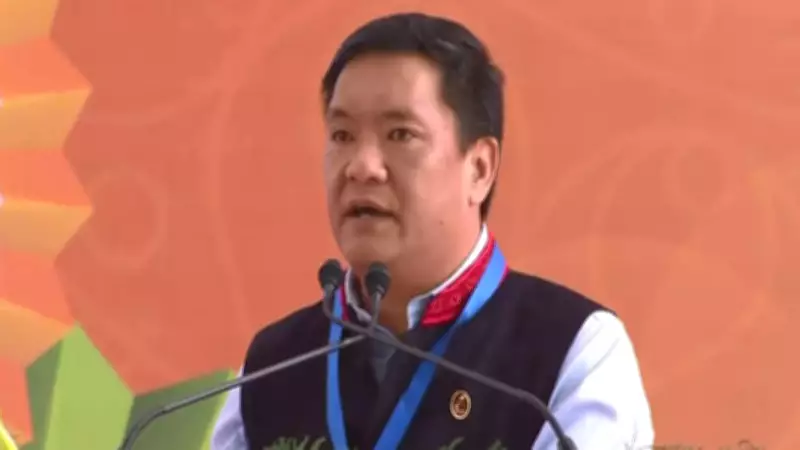
In a significant development, the Supreme Court of India has issued a directive for the Central Bureau of Investigation (CBI) to launch a comprehensive probe into serious allegations concerning Arunachal Pradesh Chief Minister Pema Khandu's family. The court has ordered the investigation to focus on claims that the chief minister's family members secured government contracts valued at an astonishing Rs 1,270 crores over a ten-year period.
Court Directives and Timelines for the Investigation
The apex court has set strict deadlines to ensure the probe proceeds without delay. The CBI has been instructed to initiate the investigation within two weeks from the court's order. Furthermore, the Arunachal Pradesh state government has been directed to provide the CBI with all relevant documents pertaining to the awarding of these contracts. This includes tender documents, approval records, and any correspondence related to the procurement processes.
The Supreme Court has mandated that the CBI must submit its final investigation report within 16 weeks. This timeline underscores the court's urgency in addressing these allegations, which have raised serious questions about transparency and governance in the northeastern state.

Background and Implications of the Allegations
The allegations suggest a pattern of preferential treatment in contract allocations, potentially involving misuse of power. The Rs 1,270 crore figure represents a substantial sum, equivalent to approximately $152 million USD, which has drawn national attention to the case. Such probes are critical in upholding the integrity of public office and ensuring accountability in government dealings.
This investigation could have far-reaching political and administrative consequences for Arunachal Pradesh. If the allegations are substantiated, it may lead to legal actions against those involved and could impact the state's political landscape. The Supreme Court's intervention highlights the judiciary's role in checking potential corruption and enforcing ethical standards in public service.
Next Steps and Monitoring by the Judiciary
The CBI, as India's premier investigating agency, will now take charge of examining the evidence and interviewing relevant parties. The court's order ensures that the probe is conducted independently, without interference from state authorities. This move is seen as a step towards restoring public trust in governmental processes.
Legal experts note that such high-profile cases often set precedents for how similar allegations are handled in the future. The Supreme Court's proactive stance in this matter reinforces its commitment to judicial oversight in matters of public interest and corruption.






