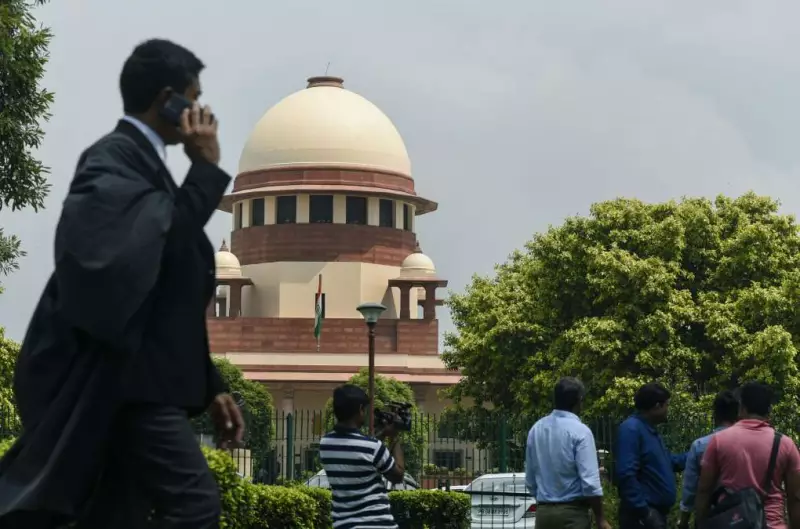
Supreme Court Issues Directive to Haryana and Rajasthan to Curb Illegal Mining in Aravalli Region
The Supreme Court of India has taken a firm stance against the rampant illegal mining activities in the ecologically sensitive Aravalli region. In a recent hearing, the apex court directed the state governments of Haryana and Rajasthan to implement stringent measures to ensure that no unauthorized mining operations are conducted in this vital area.
Court Warns of Irreversible Environmental Consequences
During the proceedings, the Supreme Court emphasized that the environmental degradation caused by illegal mining in the Aravallis could lead to irreversible consequences. The judges highlighted the critical role of the Aravalli range in maintaining ecological balance, preventing desertification, and supporting biodiversity. They stressed that any further damage from unchecked mining would have long-term detrimental effects on the region's ecosystem and the well-being of local communities.
Directives to State Governments
The court has mandated that both Haryana and Rajasthan governments must:
- Strengthen monitoring mechanisms to detect and prevent illegal mining activities in real-time.
- Enhance enforcement actions against violators, including strict penalties and legal proceedings.
- Submit regular compliance reports to the Supreme Court detailing the steps taken to curb illegal mining.
- Collaborate with local authorities and environmental agencies to ensure comprehensive protection of the Aravalli region.
This directive comes amid growing concerns over the environmental impact of mining in the Aravallis, which has been linked to soil erosion, loss of forest cover, and depletion of groundwater resources.
Background and Context
The Aravalli mountain range, stretching across several states including Haryana and Rajasthan, is one of the oldest geological formations in India. It serves as a natural barrier against the expansion of the Thar Desert and plays a crucial role in regulating the climate of northern India. However, illegal mining for minerals such as sandstone and granite has posed a significant threat to its integrity over the years.
Previous court interventions have attempted to address this issue, but enforcement has often been lax. The Supreme Court's latest order underscores the urgency of the situation and the need for immediate, effective action to preserve this ecological treasure for future generations.
Implications and Future Steps
The Supreme Court's warning about irreversible consequences serves as a stark reminder of the high stakes involved. Environmental activists and conservation groups have welcomed the court's intervention, hoping it will lead to more robust protection measures. The state governments are now expected to ramp up their efforts, potentially involving advanced surveillance technologies and increased manpower to patrol mining-prone areas.
As the case progresses, the Supreme Court has indicated that it will closely monitor compliance and may issue further orders if necessary to ensure the Aravalli region is safeguarded from illegal exploitation.