

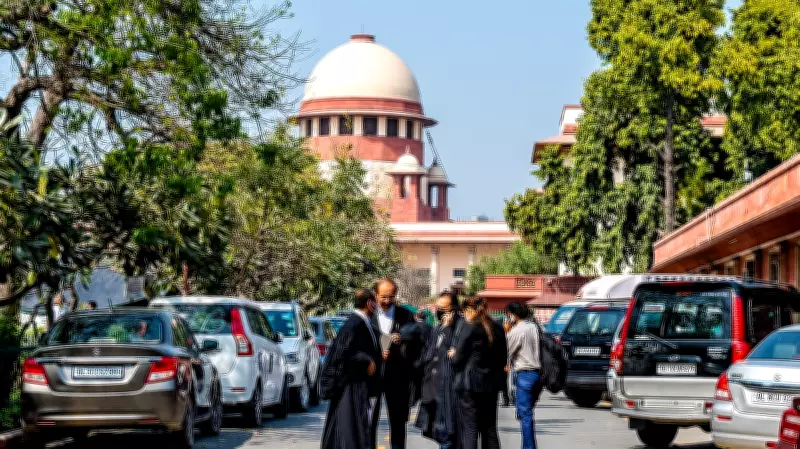
Supreme Court Mandates No-Fault Compensation Framework for Severe Covid Vaccine Reactions
The Supreme Court of India has issued a significant directive to the central government, calling for the establishment of a comprehensive no-fault compensation policy specifically designed to address serious adverse events that may occur following Covid-19 vaccination. This landmark judicial order emphasizes the need for a structured legal and financial mechanism to support individuals who experience severe health complications after receiving the vaccine, without requiring them to prove fault or negligence.
Judicial Bench Upholds Existing Monitoring Systems
In its ruling, the Supreme Court bench explicitly stated that the current framework for monitoring adverse events following immunization (AEFI) must continue to operate without interruption. This existing system, which tracks and investigates potential side effects from vaccines across the country, is considered a critical component of public health surveillance. The court's directive ensures that while a new compensation policy is developed, the ongoing vigilance and data collection efforts remain fully functional to safeguard public health.
Implications for Public Health and Vaccine Confidence
This judicial intervention carries profound implications for India's public health landscape and vaccine administration strategies. By advocating for a no-fault compensation model, the Supreme Court aims to bolster public trust in vaccination programs, particularly in the context of the Covid-19 pandemic. Such a policy would provide financial and medical support to affected individuals and their families, potentially mitigating hesitancy and encouraging broader vaccine uptake. The move aligns with global best practices observed in several nations that have implemented similar compensation schemes to address rare but serious vaccine-related adverse events.

The court's order underscores a balanced approach: it seeks to protect citizens' rights while recognizing the essential role of vaccination in combating infectious diseases. Legal experts suggest that this directive could set a precedent for future immunization campaigns, ensuring that robust safety nets are in place as part of India's healthcare infrastructure.
Government's Next Steps and Timeline
The central government is now tasked with formulating and implementing the no-fault compensation policy in accordance with the Supreme Court's instructions. This process is expected to involve consultations with medical professionals, legal authorities, and public health experts to design a fair and efficient system. Key considerations will likely include:
- Defining criteria for what constitutes a "serious adverse event" eligible for compensation.
- Establishing clear procedures for filing claims and assessing cases.
- Determining the source and structure of compensation funds.
- Ensuring timely disbursement of support to affected individuals.
While the court did not specify a strict deadline, it is anticipated that the government will prioritize this initiative given its relevance to ongoing public health efforts. The continuation of the AEFI monitoring mechanism will provide valuable data to inform the policy's development, helping to identify patterns and improve vaccine safety protocols.
This ruling marks a pivotal moment in India's pandemic response, highlighting the judiciary's role in addressing complex health and legal challenges. As the nation continues to navigate the aftermath of Covid-19, such measures are crucial for fostering resilience and equity in healthcare delivery.






