Supreme Court Halts Construction of Chengalpet Bus Terminus, Orders Status Quo in Land Dispute
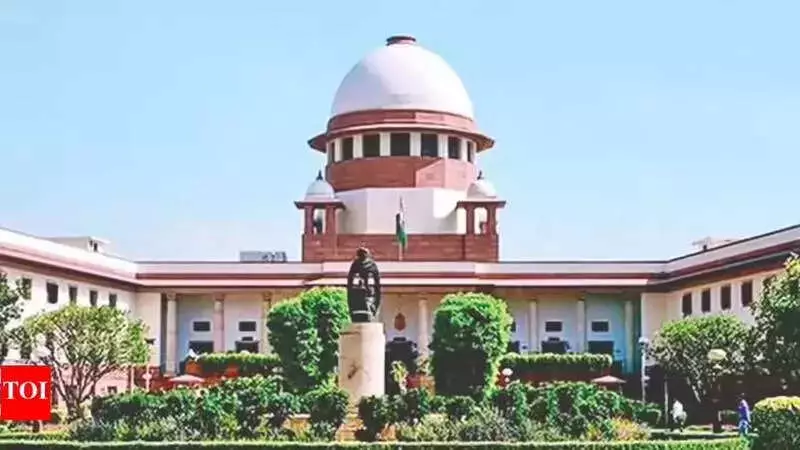
In a significant development, the Supreme Court of India has intervened in a long-standing land dispute in Chengalpet, ordering the maintenance of status quo on the construction of an integrated modern bus terminus. This interim order comes as a relief to the Bhaktavatsalam Educational Trust, which has been embroiled in a legal battle over 19.34 acres of government land allegedly encroached upon since 1961.
Legal Proceedings and Court Orders
A bench comprising Justice J B Pardiwala and Justice Alok Aradhe granted interim relief to the trust, effectively pausing the construction work on the bus terminus. This decision follows a series of court rulings, including a January 7 order from a division bench of the Madras High Court. The High Court had reiterated that no writ against a show-cause notice for encroachment of public land was entertainable and directed the Chengalpet district administration to take immediate steps to recover the land and proceed with the bus terminus construction.
Historical Background of the Land Allotment
The roots of this dispute trace back to 1961 when the Bhaktavatsalam Educational Trust proposed to the government to allot 73.47 acres for establishing a polytechnic college in Chengalpet. Acting on this representation, the government granted the allotment. However, in a twist in 1986, an exemption notification was issued to exclude 19.3 acres from the original allotment. Despite this, the trust continued to occupy the exempted land, leading to ongoing legal challenges.

Recent Developments and Trust's Position
In 2022, the Madras High Court permitted the trust to take over the encroached land by paying the market value as of December 26, 1995. The trust, however, declined this proposal, citing an inability to pay the demanded amount. Subsequently, the trust moved the court to challenge a show-cause notice issued by the government for the recovery of the 19.3 acres. Meanwhile, the contractor assigned to construct the bus terminus filed a separate plea, seeking directions for the government to hand over possession of the land to commence work.
Implications and Future Outlook
The Supreme Court's order for status quo has temporarily stalled the bus terminus project, which aims to modernize public transport infrastructure in Chengalpet. This case highlights the complexities of land disputes involving educational trusts and government initiatives. As the legal proceedings continue, stakeholders await further clarity on the fate of both the trust's claims and the development of the bus terminus, underscoring the delicate balance between public interest and property rights in India's judicial landscape.