Supreme Court Modifies Order on Uttarakhand Road Project
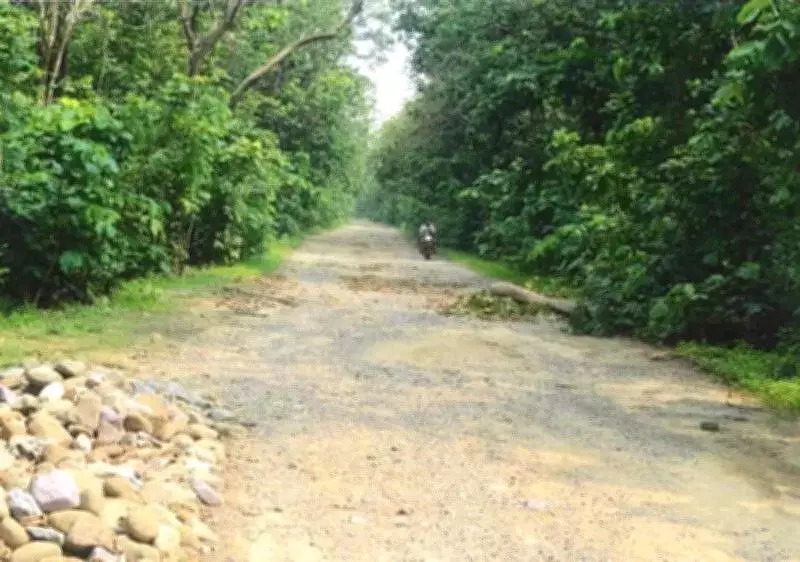
In a significant development, the Supreme Court of India has modified its earlier stay order from January 11, 2023, permitting the paving of the 11.5-kilometer Laldhang–Chillarkhal road in Uttarakhand. This crucial infrastructure project connects 18 remote villages in the region, providing essential access for local residents. However, the court has imposed a strict ban on commercial vehicles using this stretch, citing environmental concerns.
Balancing Development and Environmental Protection
A bench comprising Chief Justice Surya Kant and Justices Joymalya Bagchi and Vipul M. Pancholi delivered the judgment on Thursday. The bench acknowledged that residents of these remote villages are entitled to development benefits, which necessitated modifying the previous stay order that had halted the project over alleged environmental norm violations. The court emphasized that while development is important, it must not come at the expense of ecological preservation.
The bench specifically noted that a 4.5-kilometer segment of the road, stretching from Chamaria More to Sigdi Sot, falls within an ecologically sensitive zone. This area serves as the only functional wildlife corridor between the Jim Corbett Tiger Reserve and the Rajaji Tiger Reserve, making its protection paramount. The court directed the Uttarakhand state government to ensure that no commercial vehicles, including trucks and dumpers, ply on this 11.5-kilometer road to prevent adverse impacts on the corridor's flora and fauna.

Key Arguments and Government Assurances
Advocate Gaurav Kumar Bansal, whose petition led to the initial stay in 2023, clarified that his objection was specifically against commercial traffic. He stated he was not opposed to constructing a metalled road for villagers but raised concerns that commercial vehicles would severely affect wildlife movement in the corridor. The state government informed the court that paving this road would reduce the distance between Kotdwar and Haridwar by 65 kilometers for commercial traffic. However, it assured the bench that commercial vehicles would not be allowed on this stretch and would instead use alternative routes through Uttar Pradesh.
BJP MP Anil Baluni, an intervener in the case, submitted through his counsel Bansuri Swaraj that the road is vital for over 40,000 residents of the 18 villages. He highlighted that the existing unpaved road frequently gets washed away during monsoon seasons, causing significant hardships for locals. In response to environmental concerns, the government has proposed constructing a 400-meter elevated stretch to facilitate wildlife movement, demonstrating efforts to mitigate ecological impacts.
Environmental Safeguards and Legal Compliance
Earlier, the Supreme Court had observed that any construction in this wildlife corridor must comply with provisions of the Wildlife (Protection) Act, 1972, and the Forest Conservation Act, 1980. The court directed the state government to obtain all necessary clearances before proceeding with the project. Environmental groups had raised alarms that increased traffic could disrupt wildlife movement, as the corridor is home to endangered species such as tigers, elephants, and leopards. The court's decision to ban commercial vehicles addresses these concerns while allowing essential infrastructure development for villagers.
The bench refrained from commenting on permitting buses on the road, noting that granting such exemptions could lead to similar demands from other parties, potentially undermining the environmental protections in place. This cautious approach underscores the court's commitment to preserving the ecological integrity of the corridor while facilitating necessary access for remote communities.