

Supreme Court Permits Withdrawal of Life Support for Man in Permanent Vegetative State
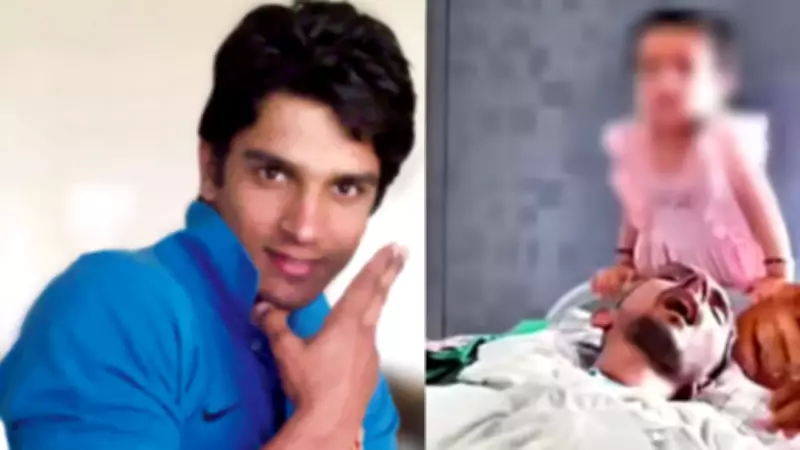
The Supreme Court of India has granted permission for the withdrawal of life-sustaining treatment for 31-year-old Harish Rana, who has remained in a permanent vegetative state for more than a decade following a severe brain injury sustained in a fall in 2013. A Bench comprising Justices JB Pardiwala and KV Viswanathan allowed the plea for passive euthanasia filed by Rana’s family, noting that his condition has shown no improvement despite years of intensive medical care.
Background of the Case
Harish Rana was a BTech student in Chandigarh when he tragically fell from the fourth floor of his paying guest accommodation in August 2013. The accident resulted in a severe traumatic brain injury and complete quadriplegic disability, leaving him bedridden and entirely dependent on others for all daily activities. Since the incident, Rana has exhibited sleep-wake cycles but demonstrates no meaningful interaction with his surroundings, receiving clinically assisted nutrition through a percutaneous endoscopic gastrostomy (PEG) tube.
Medical experts have consistently reported no signs of recovery over the years, leading his parents to approach the courts seeking permission to withdraw life-sustaining treatment. They argued that their son has been living in a persistent vegetative state for over a decade with no hope of recovery, and that continuing treatment only prolongs his suffering without any prospect of improvement.

Legal Proceedings and Court Ruling
The family initially moved the Delhi High Court, requesting the constitution of a medical board to examine Rana’s condition. However, the High Court declined the plea, noting that he was not on mechanical life support and could sustain himself without external aid, thus not falling within the scope of passive euthanasia as previously defined. Undeterred, the family approached the Supreme Court in 2024, filing a fresh petition seeking the withdrawal of life-sustaining treatment, including clinically assisted nutrition and hydration.
During the proceedings, the Supreme Court carefully reviewed the findings of medical experts, which confirmed that Rana has been in a permanent vegetative state for over a decade with no meaningful neurological recovery. In its ruling, the court emphasized that the competent medical board may exercise its clinical judgment to withdraw treatment in accordance with the guidelines established in the landmark 2018 judgment in Common Cause v. Union of India.
Reference to the 2018 Common Cause Judgment
The 2018 ruling by a Constitution Bench of the Supreme Court was a pivotal moment in Indian jurisprudence, recognizing that the right to life under Article 21 of the Constitution includes the right to live with dignity, which also encompasses the right to die with dignity in cases of terminal illness or irreversible vegetative states. This judgment allowed passive euthanasia under strict safeguards and acknowledged the validity of living wills or advance directives, providing a legal framework for such sensitive decisions.
Harish Rana’s case represents one of the rare instances where the Supreme Court has considered and permitted the withdrawal of life-sustaining treatment in an individual case under these guidelines, highlighting the application of these principles in real-world scenarios.
Implications and Broader Context
This decision underscores the evolving legal and ethical landscape surrounding end-of-life care in India, balancing the sanctity of life with the dignity of individuals in irreversible medical conditions. It reinforces the importance of:

- Clinical Judgment: Allowing medical boards to make informed decisions based on patient-specific circumstances.
- Legal Safeguards: Ensuring that such decisions adhere to strict procedural guidelines to prevent misuse.
- Family Involvement: Recognizing the role of families in advocating for the best interests of their loved ones.
The ruling also brings attention to the challenges faced by families dealing with long-term vegetative states, advocating for compassionate approaches in healthcare and legal systems. As India continues to grapple with complex bioethical issues, this case may set a precedent for future similar petitions, promoting a more humane and dignified approach to end-of-life decisions.





