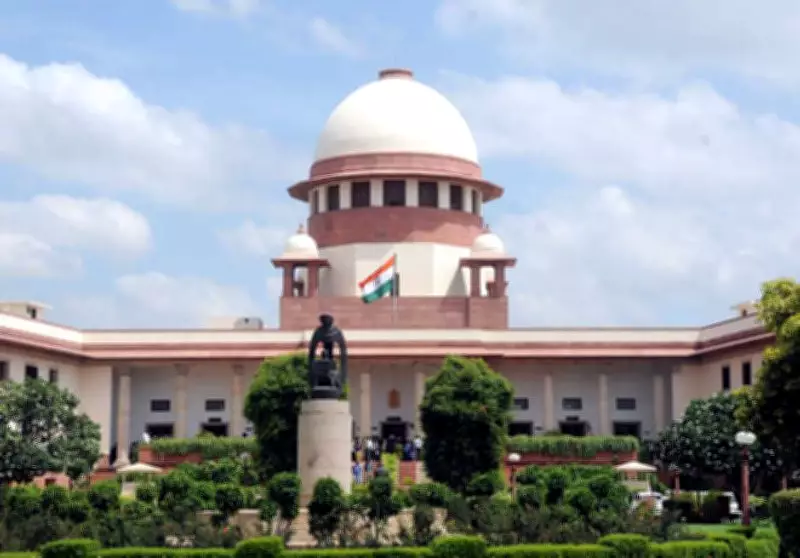
A Public Interest Litigation (PIL) has been filed in the Supreme Court of India, seeking the establishment of a robust verification mechanism to identify and prevent fake lawyers who possess forged degrees from practicing law. The petition underscores the growing menace of unqualified individuals entering the legal profession, which undermines the integrity of the judiciary and poses a serious threat to the rule of law.
PIL Highlights Concerns Over Fake Lawyers
The PIL, filed by a lawyer named Ashwini Kumar Upadhyay, argues that the presence of fake lawyers with forged degrees is a grave issue that demands immediate attention. It points out that several instances have come to light where individuals have been found practicing law using fraudulent documents, including fake law degrees and enrollment certificates. This not only deceives the public but also erodes trust in the legal system.
Need for a Verification Mechanism
The petition calls for a comprehensive verification system that would include a centralized database of all enrolled lawyers, cross-verification of degrees with universities, and periodic audits of bar councils. It suggests that the Bar Council of India (BCI) and state bar councils should be directed to implement strict measures to verify the credentials of lawyers. The PIL also proposes that the government should establish a dedicated body to oversee the verification process and take disciplinary action against those found guilty of fraud.

Impact on the Legal System
The presence of fake lawyers can have severe consequences, including the miscarriage of justice, as clients may receive incompetent legal representation. It also leads to a loss of revenue for the government and legitimate practitioners. The PIL emphasizes that the judiciary must act swiftly to prevent such malpractices and protect the sanctity of the legal profession.
Previous Incidents and Court Interventions
In the past, there have been several cases where fake lawyers were exposed, leading to arrests and disbarment. The Supreme Court has previously taken suo motu cognizance of such issues and directed the BCI to tighten regulations. However, the PIL argues that these measures have not been effective enough, and a more proactive approach is needed.
Demands Made in the PIL
The PIL specifically seeks directions to the central government, the BCI, and state bar councils to:
- Create a national database of all enrolled advocates with unique identification numbers.
- Verify the authenticity of law degrees from universities and colleges.
- Conduct surprise checks and audits of bar council enrollments.
- Implement strict penalties for those found using forged documents.
- Establish a fast-track mechanism to handle complaints against fake lawyers.
The petition also requests the court to consider setting up a special task force to investigate and prosecute cases of fake lawyers across the country.
Conclusion
The PIL in the Supreme Court seeking a verification mechanism to check fake lawyers with forged degrees is a crucial step toward ensuring the credibility of the legal profession. It highlights the urgent need for systemic reforms to weed out unscrupulous elements and uphold the rule of law. The court's response to this petition will be closely watched by the legal community and the public alike.