Supreme Court Steps In to Protect Punjab Kesari Operations
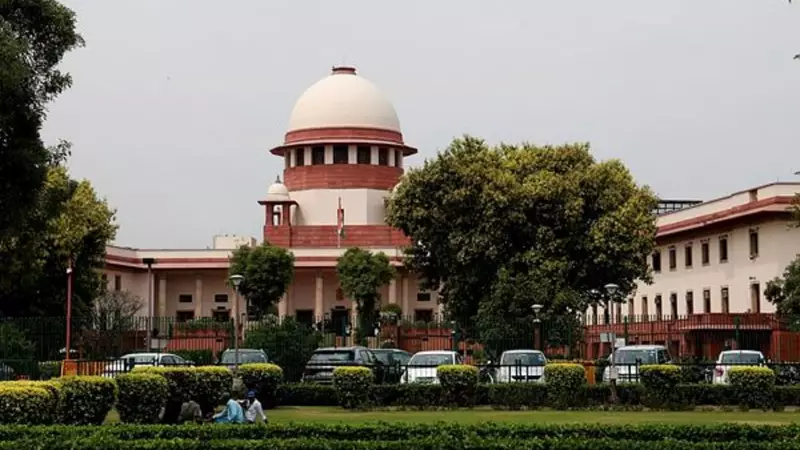
The Supreme Court of India has granted crucial interim protection to the Punjab Kesari newspaper group. This decision prevents state authorities from taking any disruptive action against their printing press and other commercial establishments.
Court's Clear Directive on Press Functioning
A bench comprising Chief Justice of India Surya Kant and Justices Joymalya Bagchi and Vipul M Pancholi delivered this significant ruling. They explicitly directed that the Punjab Kesari printing press "shall continue to function uninterruptedly." The bench also ordered status quo for all other commercial properties owned by the newspaper group.
This protection will remain effective until the Punjab and Haryana High Court delivers its judgment on the matter. The High Court heard arguments on Monday and has reserved its verdict. The Supreme Court's interim arrangement extends for an additional week after the High Court's decision. This extra time allows affected parties to approach appropriate legal forums if needed.

Newspaper's Allegations of Targeting
Senior Advocate Mukul Rohatgi, representing Punjab Kesari, presented compelling arguments before the Supreme Court. He claimed the newspaper faced targeted actions after publishing an article critical of Punjab's ruling dispensation.
Rohatgi detailed multiple actions taken against the group within just two days:
- Electricity disconnection at the press citing water pollution issues
- Imminent closure threats to their hotel
- FIR registrations against Punjab Kesari owners
"All this happened because we published an article not favorable to the dispensation in Punjab," Rohatgi submitted. He emphasized the press has operated continuously for twenty years without previous issues.
Constitutional Concerns Raised
The newspaper's counsel raised serious constitutional questions during proceedings. Citing Article 19(1)(a) of the Constitution, which guarantees freedom of speech and expression, Rohatgi argued that punitive actions cannot follow merely because of published content.
"If the press closes, there will be disruption," Rohatgi warned, highlighting the newspaper's essential public function. He noted the High Court had refused interim protection, making Supreme Court intervention necessary.
State Government's Defense
Senior Advocate Shadan Farasat represented the Punjab Government before the bench. He defended the state's actions as legitimate environmental enforcement.
Farasat explained that authorities issued notices and took action against one newspaper unit specifically for pollution violations. "It's exactly according to the book as per requirements of the Pollution Control Act," he stated. The advocate emphasized that only one unit faced proceedings, not the entire newspaper operation.
When Chief Justice Surya Kant questioned why the newspaper seemed targeted, Farasat maintained the action related solely to pollution compliance. He assured the court that no further actions were planned against Punjab Kesari.
Judicial Emphasis on Press Freedom
Chief Justice Surya Kant expressed particular concern about press operations. "Please don't close the newspaper," he stated clearly during proceedings. While acknowledging commercial establishments like hotels might withstand temporary closures, the Chief Justice emphasized the newspaper's different status.
"The hotel can remain closed for 2-3 days; there's hardly any issue. But as far as the newspaper is concerned, allow it to function," Justice Kant asserted. This distinction highlights the judiciary's recognition of press operations as particularly time-sensitive and constitutionally protected.
Immediate Legal Impact
The Supreme Court's order creates immediate legal protection for Punjab Kesari. The newspaper group had filed an appeal seeking urgent relief after the High Court declined interim protection. The Supreme Court accepted their urgency, hearing the matter promptly.
This ruling ensures continuous newspaper publication while legal processes continue. It represents a significant judicial intervention balancing environmental regulations with press freedom protections. The case now awaits the Punjab and Haryana High Court's detailed judgment on the underlying disputes.