Supreme Court Quashes 35-Year Sentence in 1991 Prayagraj Hurt Case
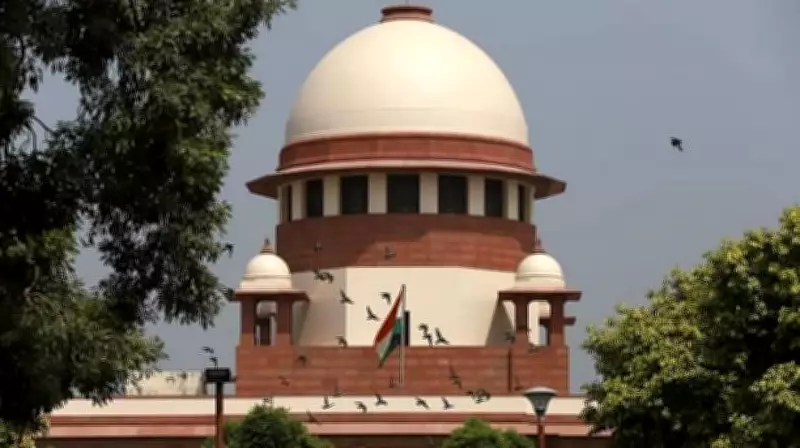
The Supreme Court of India has set aside a 35-year prison sentence imposed on a man in a simple hurt case from 1991, ruling that the inordinate delay in the trial violated his fundamental right to a speedy trial under Article 21 of the Constitution. The bench, comprising Justices Abhay S. Oka and Augustine George Masih, termed the prolonged proceedings as "grossly unjust" and a travesty of justice.
Case Background
The case originated from an incident in Prayagraj (formerly Allahabad), Uttar Pradesh, where the accused was charged with causing simple hurt under Section 323 of the Indian Penal Code. The trial, which began in 1991, dragged on for over three decades, culminating in a 35-year sentence. The accused, now aged around 60, had been in custody for a significant part of this period.
The Supreme Court observed that the delay was primarily due to the state's failure to ensure a swift trial. The judgment noted that the accused had already suffered immensely due to the prolonged legal process, which amounted to a violation of his fundamental rights.

Legal Implications
The apex court's decision reinforces the principle that the right to a speedy trial is an integral part of Article 21. It highlighted that in cases of minor offenses, especially those involving simple hurt, the state must expedite proceedings. The court also criticized the lower courts for not considering the constitutional mandate while imposing such a harsh sentence.
Legal experts have welcomed the verdict, stating that it sets a precedent for quashing sentences in cases where trials are unreasonably delayed. This judgment is expected to benefit numerous undertrials languishing in jails for minor offenses due to slow judicial processes.
Reactions and Aftermath
The accused, who was released after the Supreme Court order, expressed relief but also anguish over the lost years. His family had been fighting for justice, highlighting the plight of many poor litigants who cannot afford prolonged legal battles.
The Uttar Pradesh government has been directed to review its prosecution policies to avoid such delays in the future. The Supreme Court also recommended that the high courts monitor old cases to ensure timely justice.