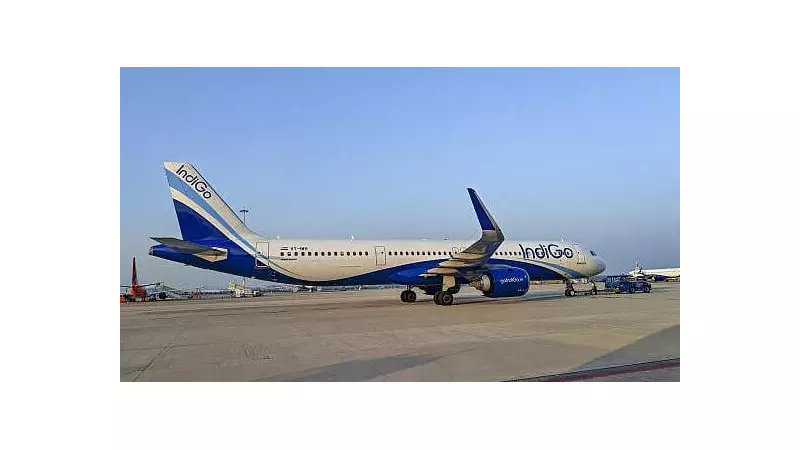
The Supreme Court of India has declined to entertain a public interest litigation (PIL) seeking its intervention in the ongoing crisis faced by passengers of budget carrier IndiGo. The apex court directed the petitioner to instead approach the Delhi High Court with the grievance.
Supreme Court's Stance on the IndiGo Passenger Plea
A bench comprising Chief Justice of India D Y Chandrachud and Justice J B Pardiwala presided over the matter. The plea was filed by petitioner Pradeep Krishnan, represented by advocate Deepak Prakash. The petition highlighted the severe inconvenience caused to a vast number of passengers due to recent, widespread flight cancellations by IndiGo.
The counsel for the petitioner argued that the airline's actions constituted a "deficiency in service" and a violation of passenger rights. He sought the court's direction for the Directorate General of Civil Aviation (DGCA) to take stringent action against the airline and to ensure proper compensation for affected flyers.

Legal Proceedings and the Court's Directive
However, the Supreme Court bench was not inclined to hear the petition directly. The court observed that the matter, while concerning, should first be adjudicated by the high court. "You go to the high court. Why have you come here under Article 32?" the bench questioned, referring to the constitutional provision that allows individuals to move the Supreme Court for enforcement of fundamental rights.
The bench firmly advised the petitioner's counsel to withdraw the plea and approach the appropriate forum. "You go to the Delhi High Court. Withdraw this," the court stated. Following this directive, the petitioner's counsel agreed to withdraw the plea, and the court disposed of the matter accordingly.
Background of the IndiGo Operational Crisis
The PIL was filed in the context of significant operational disruptions faced by IndiGo, India's largest carrier by market share. In recent times, the airline has been forced to cancel a substantial number of flights due to a confluence of factors. The primary reasons cited include:
- Fog and adverse weather conditions during the winter season across North India.
- Infrastructural constraints at major airports.
- A nationwide shortage of air traffic controllers (ATCs), impacting overall flight schedules.
These cascading issues led to massive delays and cancellations, leaving thousands of passengers stranded at airports or facing last-minute changes to their travel plans. The petition emphasized the financial and mental hardship endured by passengers, many of whom missed important events, business meetings, or connections due to the chaos.
The petitioner had sought the Supreme Court's intervention to direct the DGCA to audit IndiGo's operations and ensure compliance with regulations regarding passenger compensation and care during cancellations.
With the Supreme Court's refusal to entertain the plea, the legal recourse now shifts to the Delhi High Court. It remains to be seen if the petitioner will refile the case there and what directions, if any, the high court will issue to the airline and the aviation regulator. This development underscores the legal avenues available to consumers in India's aviation sector while reinforcing the procedural hierarchy of the country's judicial system.