

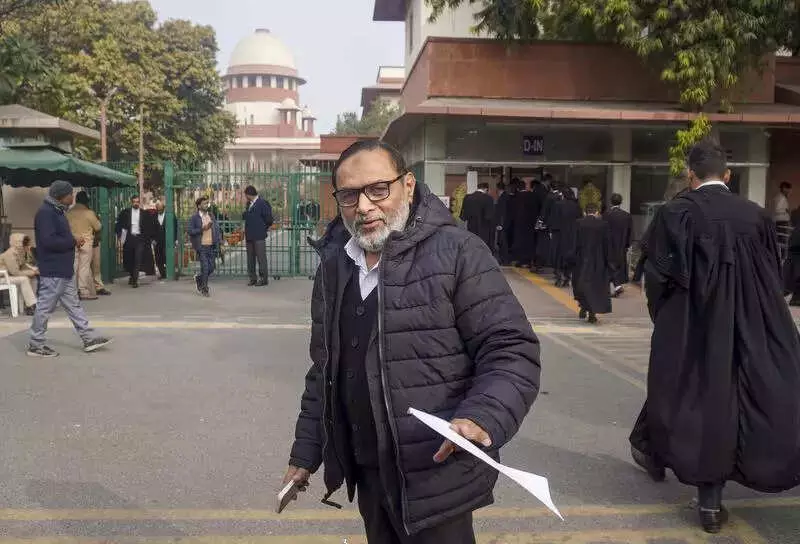
In a significant development, the Supreme Court of India on Monday turned down the bail pleas of activists Umar Khalid and Sharjeel Imam. Both are accused of being key conspirators in the large-scale communal violence that shook the national capital in February 2020.
The Verdict and the Legal Bench
A two-judge bench comprising Justices Aravind Kumar and N V Anjaria delivered the verdict. The court had previously concluded hearing arguments on December 10, 2023, before reserving its judgment. The decision addresses multiple petitions filed by the accused seeking release from prolonged incarceration.
The hearing saw intense legal representation from both sides. Appearing for the Delhi Police, Solicitor General Tushar Mehta and Additional Solicitor General S V Raju argued the state's case. The accused were represented by a battery of senior advocates, including Kapil Sibal, Abhishek Singhvi, Siddhartha Dave, Salman Khurshid, and Sidharth Luthra.

Charges and Allegations in the Case
Khalid, Imam, and several others like Asif Iqbal Tanha, Natasha Narwal, Devangana Kalita, Gulfisha Fatima, Meeran Haider, and Shifa Ur Rehman face serious charges. They have been booked under the stringent Unlawful Activities (Prevention) Act (UAPA), 1967, alongside various sections of the Indian Penal Code (IPC).
The prosecution alleges they were the "masterminds" behind the riots, which resulted in tragic loss of life and widespread damage. The violence led to 53 fatalities and left more than 700 people injured. The chargesheet claims their speeches and actions were part of a larger conspiracy to incite the riots.
Prolonged Incarceration and Next Steps
The bail denial means the accused will continue to remain in judicial custody. Umar Khalid has been in jail since his arrest on September 13, 2020. Sharjeel Imam has been behind bars for even longer, having been taken into custody on January 28, 2020, weeks before the riots erupted in northeast Delhi.
This verdict is a major setback for the defense and underscores the high legal threshold for securing bail under the UAPA. The legal teams for the accused are now expected to explore further legal avenues. The case continues to be a focal point in discussions about anti-terror laws, free speech, and the legal process in India.






