

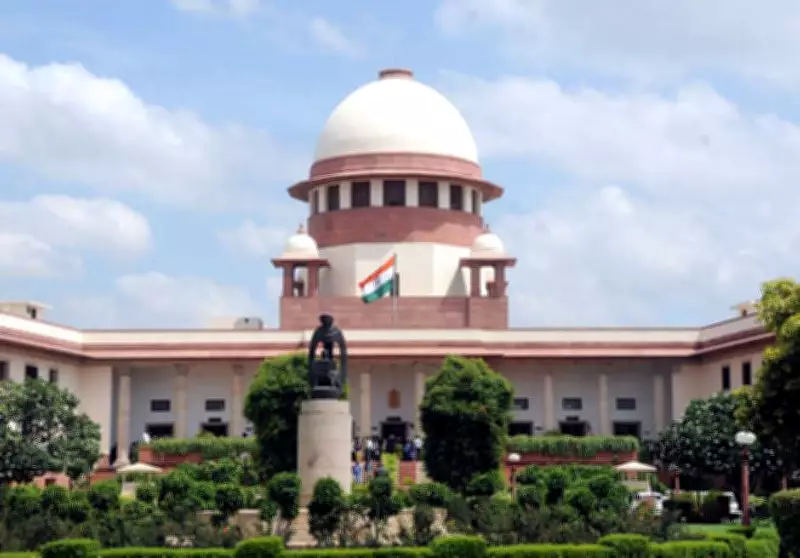
Supreme Court Dismisses Devangana Kalita's Plea in 2020 Delhi Riots Case Diary Reconstruction
The Supreme Court of India has delivered a significant ruling by rejecting the plea filed by activist Devangana Kalita, who sought the reconstruction of the case diary related to the 2020 Delhi riots. This decision marks a pivotal moment in the ongoing legal proceedings surrounding the communal violence that erupted in the national capital.
Background of the Case
Devangana Kalita, a prominent activist, was involved in the legal battles stemming from the 2020 Delhi riots, which resulted in widespread violence and loss of life. The case diary in question contains crucial evidence and documentation pertaining to the investigation. Kalita had petitioned the Supreme Court to order the reconstruction of this diary, arguing that it was essential for a fair trial and to ensure transparency in the judicial process.
Supreme Court's Rationale for Rejection
In its ruling, the Supreme Court upheld the decisions of the lower courts, which had previously denied similar requests. The court emphasized the importance of maintaining the integrity of case diaries and noted that reconstruction could potentially compromise the authenticity of the evidence. The bench highlighted that such measures are typically reserved for exceptional circumstances, which were not deemed present in this instance.

The court stated, "The plea for reconstruction of the case diary lacks merit and does not meet the stringent criteria required for such an intervention. The lower courts have already addressed this matter adequately."
Implications of the Decision
This ruling is expected to have far-reaching implications for the legal proceedings related to the Delhi riots. By rejecting the plea, the Supreme Court has reinforced the authority of the lower courts and underscored the procedural safeguards in place for handling sensitive case materials. It may also set a precedent for future cases involving similar requests for diary reconstruction.
- Legal Precedent: The decision strengthens the judicial framework by affirming that case diaries should not be lightly altered or reconstructed.
- Impact on Trials: It ensures that the trials proceed without unnecessary delays, focusing on the core evidence as presented.
- Transparency Concerns: While the court acknowledged the need for transparency, it balanced this with the necessity to protect the sanctity of legal documents.
Reactions and Next Steps
Following the Supreme Court's verdict, legal experts have expressed mixed reactions. Some argue that the decision upholds judicial efficiency, while others believe it could hinder the pursuit of justice in complex cases. Devangana Kalita and her legal team are now expected to explore other legal avenues, though the specifics remain unclear at this time.
The 2020 Delhi riots case continues to be a highly watched legal battle, with multiple aspects still under scrutiny. This latest development adds another layer to the intricate web of proceedings, as the courts navigate the challenges of delivering justice in a high-profile matter.






