Supreme Court Declines to Halt Andhra's Administrative Inquiry into Tirupati Laddu Adulteration
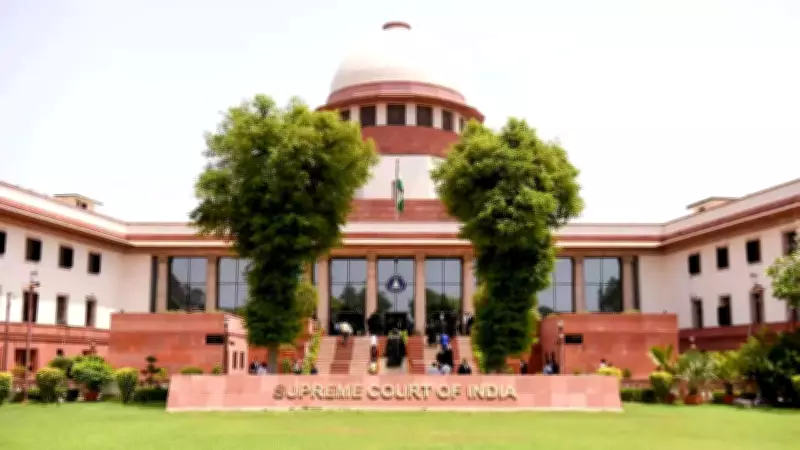
The Supreme Court on Monday refused to entertain a plea filed by former Rajya Sabha MP Subramanian Swamy, which sought to restrain the Andhra Pradesh government from conducting an administrative inquiry into the alleged adulteration of 'laddu' prasadam at the renowned Tirupati temple. The court's decision came during a hearing before a bench comprising Chief Justice of India Surya Kant and Justice Joymalya Bagchi.
Arguments Presented by Swamy's Counsel
Swamy's legal representative argued before the bench that since the Supreme Court had already established a Special Investigation Team (SIT) to probe the controversy surrounding the alleged adulteration of the sacred prasadam, the proposed administrative inquiry by the state government would create an overlap and potentially interfere with the ongoing criminal investigations. The counsel emphasized that such parallel proceedings could undermine the integrity and effectiveness of the SIT's work.
Responses from CBI and State Government
In response, Solicitor General Tushar Mehta, representing the Central Bureau of Investigation (CBI), informed the court that the SIT—which includes officers from the CBI, Andhra Pradesh police, and the Food Safety and Standards Authority of India (FSSAI)—has already completed its investigations and filed a chargesheet in the case. This indicates significant progress in the criminal probe.

Advocate Sidharth Luthra, appearing for the Andhra Pradesh government, countered Swamy's arguments by asserting that the administrative inquiry and the criminal investigations by the SIT operate in distinct spheres. He clarified that the administrative inquiry aims to identify lapses and assign responsibility among officers, whereas the SIT focuses on criminal aspects. Luthra maintained that there is no question of any overlap between the two processes, as they serve different purposes under the law.
Court's Decision and Implications
The bench, after hearing all parties, declined to intervene in the state government's administrative inquiry. This ruling allows Andhra Pradesh to proceed with its internal review to fasten accountability on officials involved in the alleged adulteration incident. The case highlights the ongoing efforts to address concerns over the safety and sanctity of prasadam at one of India's most visited pilgrimage sites, with multiple layers of investigation now in place to ensure thorough scrutiny.