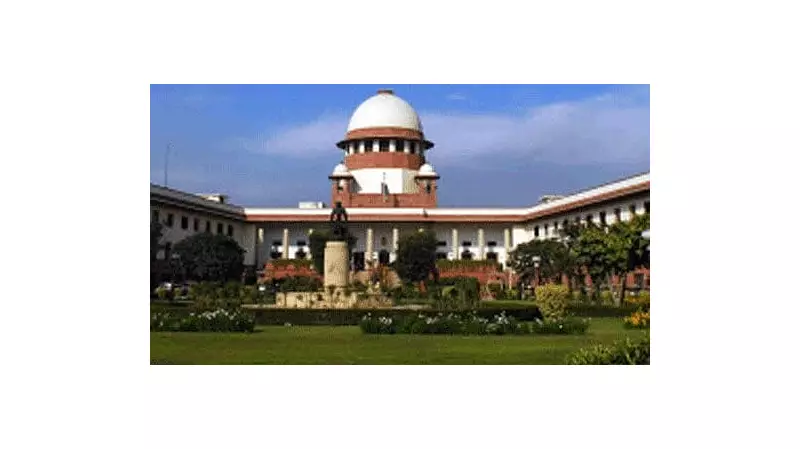
The Supreme Court of India has made a decisive move by declining to consider a plea from YouTuber Savukku Shankar. This plea sought the desealing of his office premises, marking a significant development in this ongoing legal case.
High Court's Earlier Directive
Previously, the High Court had issued a clear order on December 30, 2025. It directed Savukku Shankar to approach the jurisdictional Magistrate. This directive was based on specific sections of the Bharatiya Nagarik Suraksha Sanhita, 2023, commonly known as the BNSS.
Key Legal Provisions Involved
The High Court referenced Sections 105, 106, and 107 of the BNSS. Section 105 is particularly notable as it mandates the mandatory audio-video recording of all search and seizure processes conducted by the police. This provision aims to ensure transparency and accountability in law enforcement actions.

By relegating the matter to the Magistrate under these sections, the High Court emphasized the importance of following proper legal procedures. The Supreme Court's recent decision to decline the plea reinforces this stance, indicating that the lower court's jurisdiction should be respected in such matters.
Implications of the Supreme Court's Decision
This refusal by the Supreme Court means that Savukku Shankar must now comply with the High Court's order. He needs to present his case before the Magistrate as instructed. The decision underscores the judiciary's commitment to procedural correctness and the rule of law.
Legal experts view this as a reminder that higher courts often defer to lower courts on specific procedural issues. It highlights the structured nature of India's legal system, where each level of the judiciary has defined roles and responsibilities.
The case continues to draw attention due to its implications for digital content creators and their legal rights. As of January 20, 2026, with the latest update from Ashish Tripathi, the situation remains unresolved at the Magistrate level, pending further legal proceedings.