Supreme Court Holds Verdict on Father's Plea for Passive Euthanasia for Son in 12-Year Coma
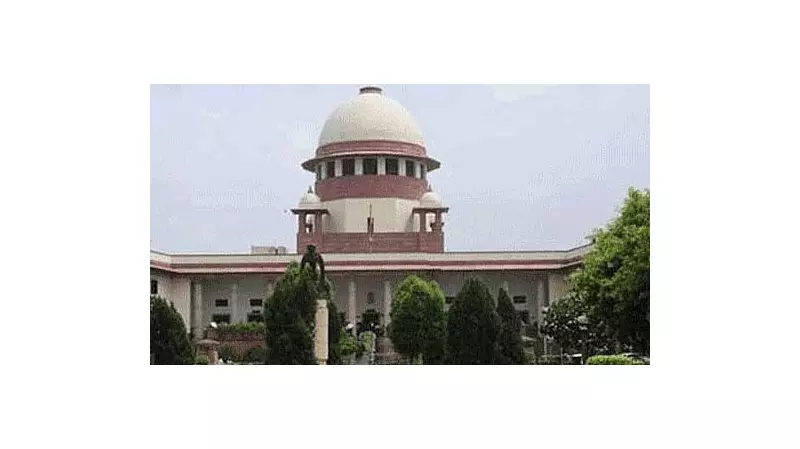
The Supreme Court of India has reserved its judgment on a deeply emotional case involving a father's plea for passive euthanasia for his son. The son has been in a coma for more than twelve years, sparking a significant legal and ethical debate.
Understanding Passive Euthanasia in This Case
Passive euthanasia refers to the intentional act of allowing a patient to die by withholding or withdrawing life support or necessary medical treatment. In this instance, the father argues that continuing life support for his son, who has shown no signs of recovery over a decade, is causing undue suffering and violates the son's dignity.
The court heard extensive arguments from both sides before deciding to reserve its judgment. Legal experts note that this case could set a precedent for future end-of-life decisions in India, where passive euthanasia was legalized under strict guidelines in 2018.

Key Details of the Plea and Legal Proceedings
The father filed the plea seeking permission to withdraw life support from his son, who has been in a persistent vegetative state since the incident over twelve years ago. Medical reports submitted to the court indicate no hope of recovery, with the son requiring constant care and life-sustaining measures.
During the hearings, the Supreme Court examined various aspects, including:
- The son's medical condition and prognosis.
- The ethical implications of passive euthanasia in Indian society.
- Compliance with existing legal frameworks, such as the guidelines established by the Supreme Court in previous rulings.
- The father's rights and responsibilities as a guardian.
Advocates for the father emphasized the emotional and financial toll on the family, arguing that the son's right to a dignified death should be respected. Opponents raised concerns about potential misuse and the sanctity of life, urging caution in such sensitive matters.
Broader Implications for End-of-Life Care in India
This case highlights the ongoing challenges in implementing passive euthanasia laws in India. Since the 2018 ruling, few cases have reached the courts, and each one undergoes rigorous scrutiny to prevent abuse.
Public opinion remains divided, with many supporting the right to die with dignity in hopeless medical situations, while others advocate for preserving life at all costs. The Supreme Court's eventual judgment is expected to provide clearer guidance on how such pleas should be handled, balancing individual rights with societal values.
As the court reserves its verdict, the family awaits a decision that could bring closure to years of anguish. The outcome will likely influence medical ethics, legal practices, and public discourse on end-of-life issues across the country.