Supreme Court Reserves Verdict on Father's Plea for Passive Euthanasia for Comatose Son
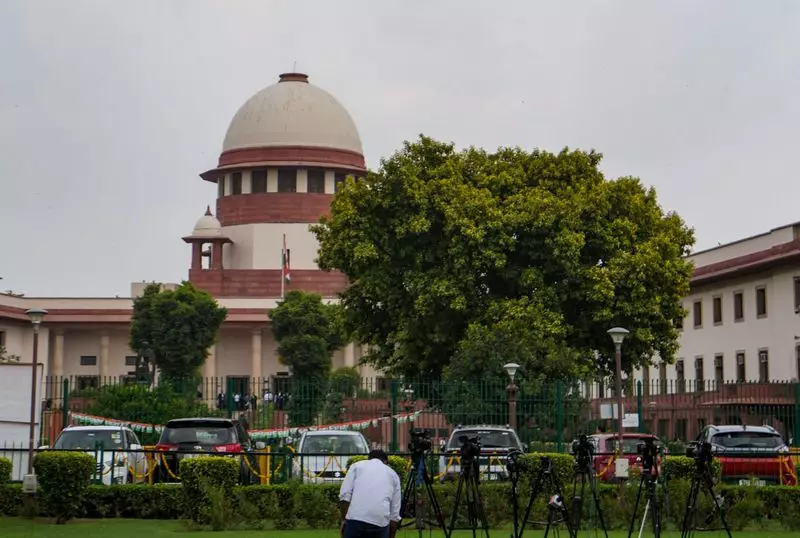
The Supreme Court of India has reserved its judgement on a significant case involving a father's plea for passive euthanasia for his son. The son has remained in a coma for more than 12 years, sparking a complex legal and ethical debate.
Details of the Case
The father approached the Supreme Court seeking permission for passive euthanasia. This legal request aims to allow the withdrawal of life-sustaining treatment for his son. The son has been in a persistent vegetative state since the incident occurred over a decade ago.
Medical reports confirm the son's condition as irreversible. Doctors have stated that there is no hope for recovery. The father argues that continuing life support only prolongs suffering without any benefit.

Legal and Ethical Considerations
Passive euthanasia involves withholding or withdrawing medical treatment to let a patient die naturally. In India, the Supreme Court legalized passive euthanasia under strict guidelines in 2018. This case tests the application of those guidelines in real-life scenarios.
The court heard arguments from both sides during the proceedings. The father's legal team emphasized the right to die with dignity. They cited previous court rulings that support this principle in certain circumstances.
Opposing views raised concerns about potential misuse of such provisions. Some experts worry that allowing passive euthanasia could lead to ethical slippery slopes. They stress the need for robust safeguards to prevent abuse.
Implications of the Judgement
The Supreme Court's decision will set a precedent for future cases involving passive euthanasia. It could clarify the legal framework for end-of-life decisions in India. Families facing similar situations are watching this case closely.
If the court rules in favor of the father, it may provide relief to many suffering patients and their families. However, a rejection could reinforce the challenges in accessing such options. The judgement is expected to address these delicate balance issues.
Legal experts anticipate a nuanced verdict that considers both compassion and caution. The court must weigh individual rights against societal interests. This case highlights the ongoing evolution of medical ethics in Indian law.
Next Steps
The Supreme Court has completed hearings and reserved its judgement. A date for the pronouncement has not been announced yet. The legal community awaits the final decision with keen interest.
This case underscores the importance of clear legislation on passive euthanasia. It calls for ongoing dialogue between lawmakers, medical professionals, and the public. The outcome could influence healthcare policies and patient rights across the country.