

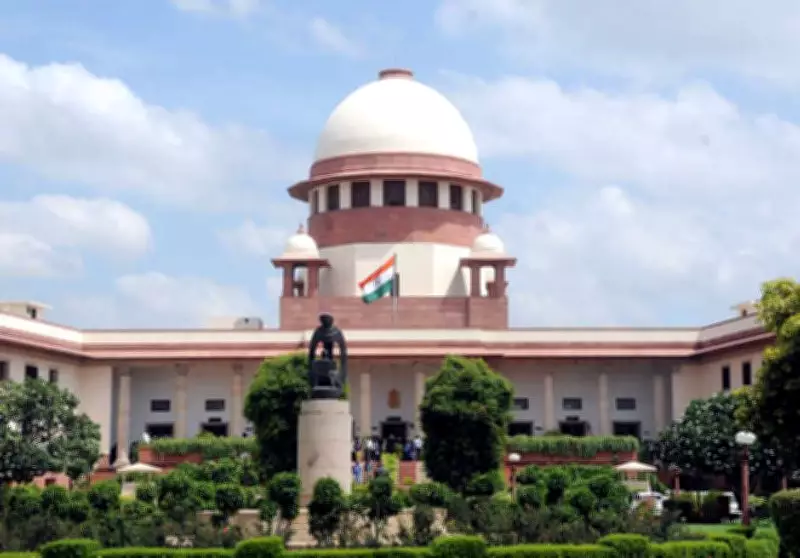
Supreme Court Delivers Justice After 32 Years, Revokes Illegal Termination of Squadron Leader
In a landmark ruling that underscores the enduring pursuit of justice, the Supreme Court of India has revoked the illegal termination of a Squadron Leader from the Indian Air Force (IAF), a decision that comes after a staggering 32-year legal battle. The court's verdict not only restores the honour and dignity of the officer but also sets a powerful precedent for accountability within the armed forces and the legal system.
Background of the Case and the Long Legal Struggle
The case dates back to the early 1990s when the Squadron Leader, whose identity has been protected in court proceedings, was terminated from service under circumstances deemed unlawful by the apex court. Over the subsequent decades, the officer pursued justice through various legal channels, facing numerous hurdles and delays that epitomize the challenges often encountered in military and administrative disputes.
The Supreme Court's detailed examination revealed that the termination violated established procedural norms and lacked substantive justification, leading to a grave injustice that affected not only the officer's career but also his personal life and reputation. The court emphasized that such actions undermine the principles of fairness and due process that are fundamental to a democratic society.

Key Findings and the Court's Ruling
In its ruling, the Supreme Court meticulously analyzed the evidence and legal arguments, concluding that the termination was illegal on multiple grounds. The court highlighted failures in following proper disciplinary procedures and a lack of transparency in the decision-making process. This case serves as a stark reminder of the importance of adhering to legal and ethical standards in all administrative actions, especially those involving the armed forces.
The court ordered the immediate revocation of the termination, effectively restoring the Squadron Leader's service record and honour. Additionally, recognizing the immense personal and professional toll of the prolonged legal battle, the Supreme Court mandated compensation for the officer. While the exact amount was not specified in the initial reports, it is expected to cover lost wages, benefits, and damages for the emotional distress endured over three decades.
Implications for the Indian Armed Forces and Legal System
This ruling has far-reaching implications for the Indian Armed Forces and the broader legal framework governing service personnel. It reinforces the necessity for:
- Strict adherence to procedural justice in all disciplinary matters.
- Timely resolution of legal disputes to prevent prolonged suffering and injustice.
- Accountability mechanisms to address wrongful actions by authorities.
The decision is likely to influence future cases involving military personnel, encouraging a more rigorous application of legal standards and potentially reducing instances of arbitrary terminations. It also underscores the role of the judiciary in safeguarding individual rights against administrative overreach, even in sectors as critical as national defense.
Broader Context and Public Reaction
This case occurs against a backdrop of ongoing discussions about military justice and administrative reforms in India. Public and expert reactions have largely praised the Supreme Court's verdict as a victory for justice and human rights. Many see it as a corrective measure that highlights systemic issues within bureaucratic and military processes, calling for more robust oversight and faster legal remedies.
The restoration of the Squadron Leader's honour after 32 years is not just a personal triumph but a symbolic win for all individuals who face unjust treatment from powerful institutions. It demonstrates that perseverance and faith in the legal system can eventually lead to redress, even in the face of daunting odds.

In conclusion, the Supreme Court's decision to revoke the illegal termination of the Squadron Leader marks a significant moment in Indian jurisprudence. By restoring his honour and ordering compensation, the court has affirmed the principles of justice and fairness, sending a clear message about the importance of upholding legal standards in all spheres of public life. This ruling is expected to resonate widely, inspiring confidence in the judicial system and prompting reforms to prevent similar injustices in the future.





