Supreme Court Seeks Chief Justice's Input on Bank Account Freezing Protocols
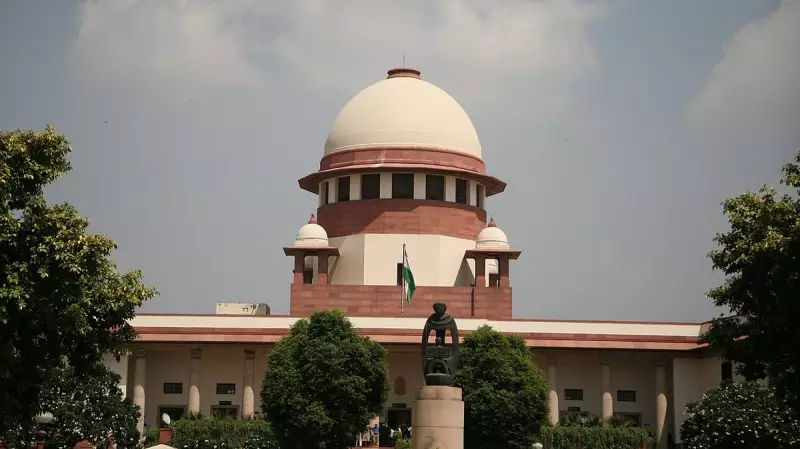
The Supreme Court of India has taken a significant step in addressing procedural concerns surrounding financial investigations. The court has formally placed a crucial petition before the Chief Justice of India. This petition specifically requests the establishment of clear standard operating procedures for the freezing and subsequent de-freezing of bank accounts during cybercrime probes.
Petition Seeks Clarity in Financial Investigation Procedures
The move comes as legal experts and citizens alike seek greater transparency in how law enforcement agencies handle financial assets during digital crime investigations. The plea argues that standardized guidelines are essential to protect the rights of account holders while ensuring effective investigation processes. Many believe that uniform rules would prevent arbitrary actions and provide a fair framework for all parties involved.
Recent Court Proceedings and Timeline
Earlier this month, on January 6, the Supreme Court demonstrated its commitment to addressing this issue promptly. The bench directed that copies of the petition be officially served to the Central Government within a strict three-day timeframe. Following this directive, the court scheduled the matter for further hearing in the subsequent week. This accelerated timeline underscores the judiciary's recognition of the petition's importance to both cybersecurity enforcement and individual financial rights.

The court's actions highlight a growing judicial focus on balancing investigative needs with constitutional protections. As cybercrime cases continue to rise across India, establishing clear procedures for financial aspects of these investigations becomes increasingly critical. The outcome of this petition could potentially reshape how banking institutions and law enforcement agencies collaborate during digital fraud and cybercrime cases.
Legal observers note that the Supreme Court's referral to the Chief Justice indicates the complexity and constitutional significance of the matter. The development marks an important moment in India's ongoing efforts to modernize its legal framework for the digital age while safeguarding fundamental rights.