

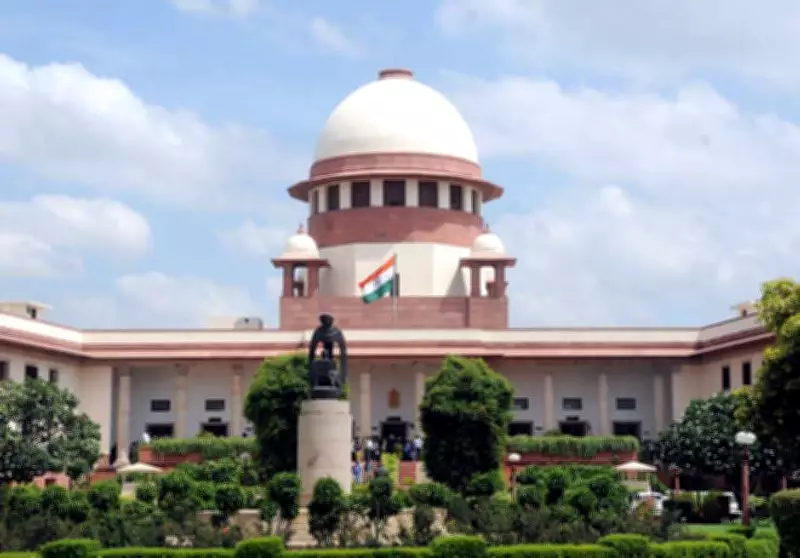
The Supreme Court on Monday issued a notice to the central government and all state governments on a public interest litigation (PIL) seeking a 30% reservation for women lawyers in government law officer positions and panels of public sector undertakings (PSUs). A bench comprising Chief Justice D.Y. Chandrachud and Justice P.S. Narasimha considered the plea filed by advocate Shobha Gupta, who argued that women are significantly underrepresented in legal advisory roles within government and PSUs.
Key Demands of the PIL
The PIL requests the court to direct the Union government and state governments to implement a 30% quota for women in appointments such as advocates general, additional advocates general, government pleaders, standing counsel, and legal advisors. It also seeks similar reservation in panels of lawyers empanelled by PSUs, banks, and other statutory bodies.
Gender Disparity in Legal Profession
The petitioner highlighted that despite women constituting a substantial number of law graduates and entrants to the bar, their representation in senior government legal positions remains dismal. The plea cited data showing that out of 1.7 million advocates enrolled with various state bar councils, only about 15% are women. In higher judicial and government law officer roles, the percentage is even lower.

The petition argues that the lack of women in decision-making legal positions perpetuates systemic biases and fails to address gender-specific legal issues effectively. It contends that reservation is essential to ensure equality of opportunity under Article 15(3) of the Constitution, which allows the state to make special provisions for women.
Government's Response Sought
The Supreme Court has sought responses from the Centre, all state governments, and the Union Territories within four weeks. The matter is likely to be heard next after the replies are filed.
This development comes amid broader discussions on gender diversity in the judiciary and legal profession. Earlier, the Supreme Court had taken suo motu cognizance of the underrepresentation of women in higher judiciary and sought suggestions for improving the situation.
Reactions from Legal Fraternity
Several women lawyers' associations have welcomed the court's move. The Supreme Court Women Lawyers Association stated that the PIL addresses a long-standing demand for equitable representation. However, some legal experts have raised concerns about the feasibility of implementing quotas in legal appointments, citing the need for merit-based selection.
The outcome of this PIL could set a precedent for affirmative action in the legal profession, potentially reshaping the composition of government law offices across the country.






